
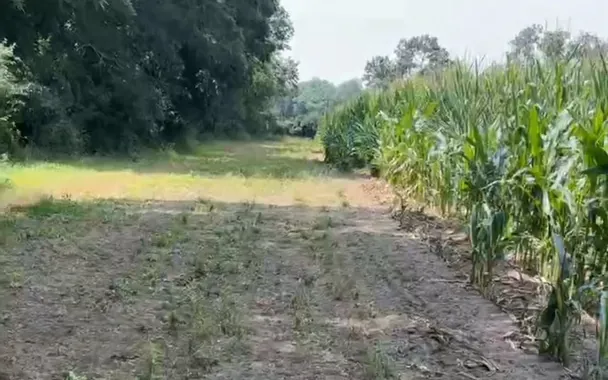
Wisconsin Food Plot Planting Dates by County
NOAA frost dates and planting windows for spring and fall food plots, station by station and county by county.
Read the article: Wisconsin Food Plot Planting Dates by County
Wisconsin food plot guides and landowner notes: when to plant food plots in Wisconsin, the best mixes for deer, spring clover and oats, frost-seeding, no-till, and hunting land — plus the free Food Plot Planner and Food Plot Map.
A 15-minute walk-through before Wisconsin’s gun-deer opener. Confirm current regulations on the DNR site before you hunt.
Need a late seed or a piece of gear? Browse food plot equipment and gear for sale on the Wisconsin Dirt Land Board, or list yours free. For next year’s plots, the Central Wisconsin summer and fall blends and the free Wisconsin Food Plot Planner are the winter homework.
NOAA frost dates and planting windows for spring and fall food plots, station by station and county by county.
Read the article: Wisconsin Food Plot Planting Dates by County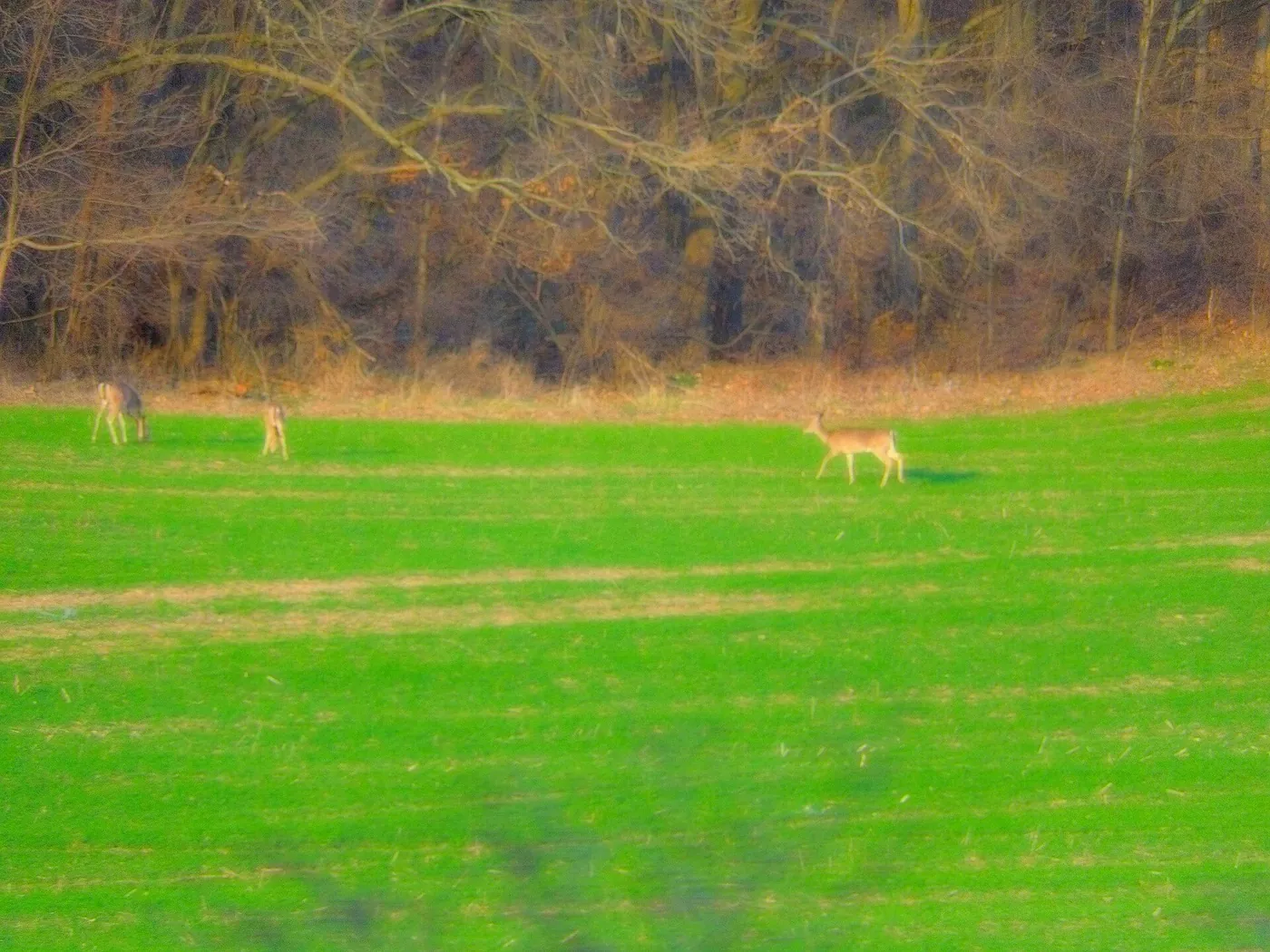
What to plant for deer in Wisconsin, by season, soil, and region — plus the free map and planner that build the plan for your county.
Read the article: Best Food Plots for Wisconsin Deer
When to plant clover and oats, when to frost-seed, and when to soil-test and lime so a Wisconsin spring plot actually takes.
Read the article: Spring Food Plots in Wisconsin
UW Extension’s March window, rates for red clover, and why frost-seeding is a poor fit on Central Sands soil.
Read the article: Frost-Seeding Clover in WisconsinHancock frost dates, Waushara County sand, and the last-week-of-July to first-days-of-August brassica window (about Jul 26–Aug 5 at Hancock).
Read the article: Food Plots in Central WisconsinRhinelander and Spooner frost dates, a mid-to-late-July brassica window (Rhinelander Jul 16–26, Spooner Jul 19–29), and short-season seed choices.
Read the article: Food Plots in Northern Wisconsin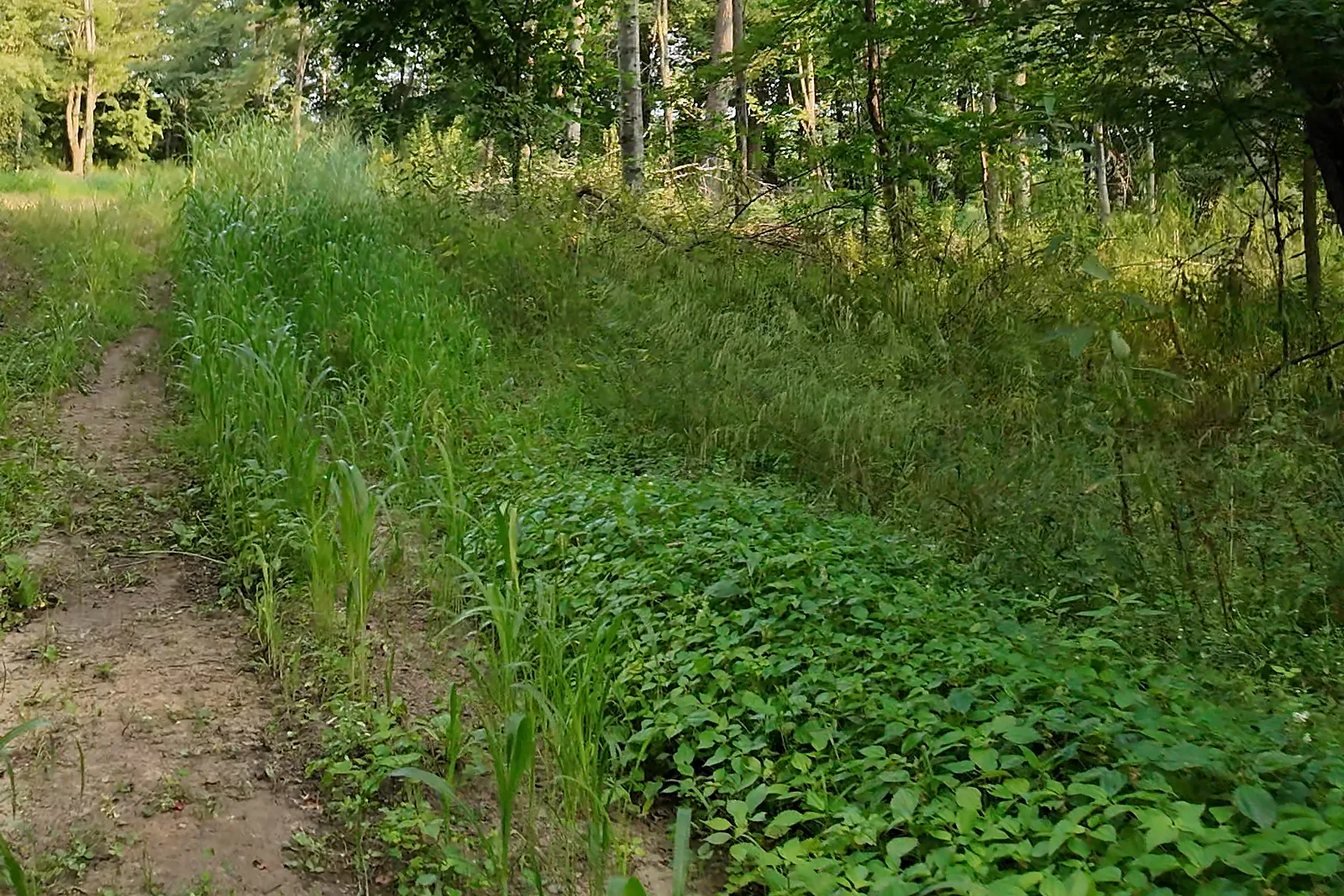
Madison, Lancaster, and La Crosse dates, a later brassica window, and an earlier spring start.
Read the article: Food Plots in Southern WisconsinHancock dates for Wautoma, Wild Rose, and Redgranite, and what to plant on county sand.
Read the article: Waushara County Food Plots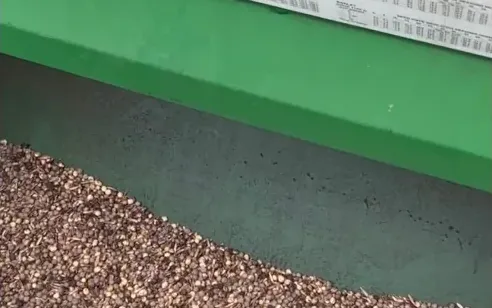
We no-till drilled a Green Lake food plot with one main seed box on hard, dry ground. Here's the setup, the concern, and what we saw a few days later.
Read the article: One Seed Box on Hard Soil: A Green Lake Food Plot
A walk through this year's fall mix after spray, crimp, then no-till: what came up, the spots the drill missed, and what we would do again.
Read the article: No-Till Food Plot Results: Fall Mix in Wisconsin
Two smaller sandy plots in a dry year: how the summer mix mat looked, and why we sprayed, crimped, and drilled the fall mix into it.
Read the article: Spray, Crimp, No-Till: Summer Mix Plot Results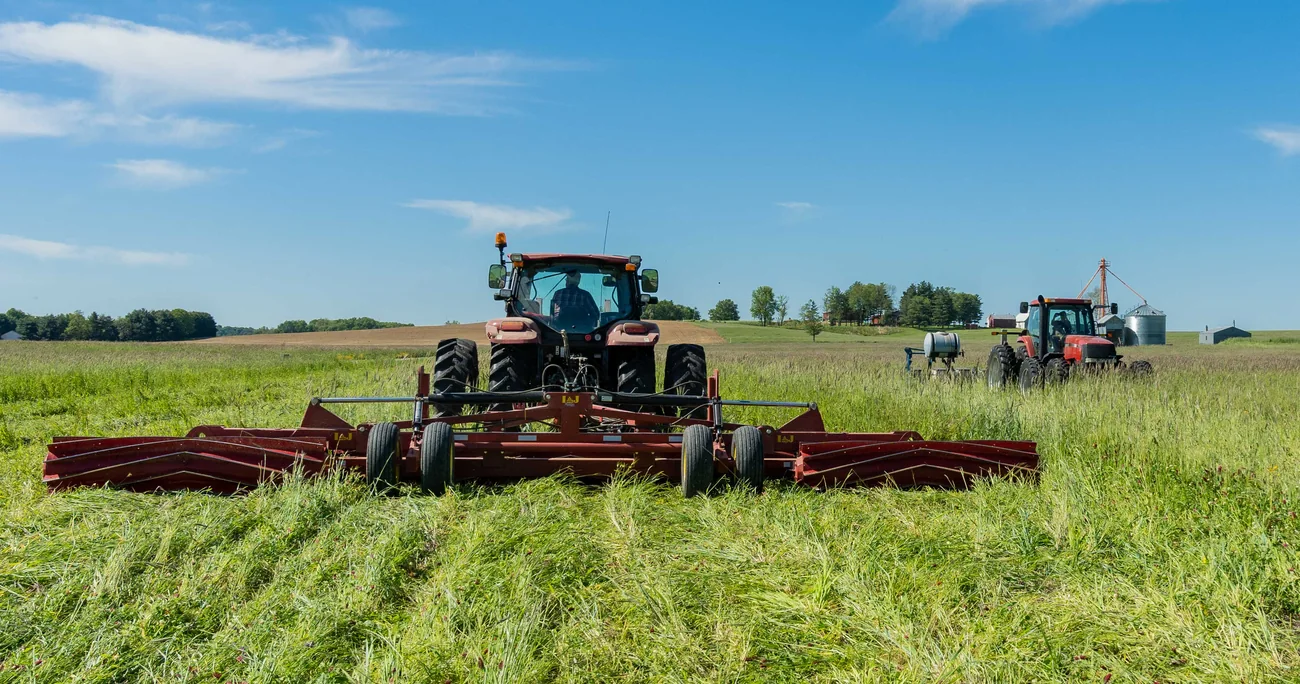
The summer mix we planted this year put a great mat down on our sandy plots, but it's built first as deer forage. When the goal is building soil on Wisconsin ground, we would change it. We would keep the cowpeas, cut back the soybeans, sunflower, and buckwheat, swap the grain sorghum for sorghum-sudangrass, and drop the mung beans, LabLab, and Alyce clover. Here's the Central Sands recipe, southern and northern versions, planting dates based on real soil temperatures, and how to crimp it and follow it with a fall plot.
Read the article: The Wisconsin Soil-Builder: A Summer Mix for Building Soil
The commercial summer and fall mixes we planted this year grew well on our sandy plots, but Central Wisconsin ground asks for changes. Here is the Wisconsin Dirt summer blend in full, an overview of the fall blend, and the planting dates for Central Sands ground. The fall blend cuts cereal rye by about 70% and more than doubles the winter peas.
Read the article: Central Wisconsin Food Plot Blends: A Summer Mix and a Low-Rye Fall Mix
Wisconsin's nine-day gun deer season opens Saturday, November 21, 2026, and runs through Sunday, November 29. This page is a Central Wisconsin logistics guide for GameReg registration, CWD sampling, and carcass or baiting rules in Waushara, Waupaca, Marquette, Adams, Portage, and Green Lake counties. Sources were checked November 13, 2026.
Read the article: 2026 Gun Deer Opener Logistics in Central Wisconsin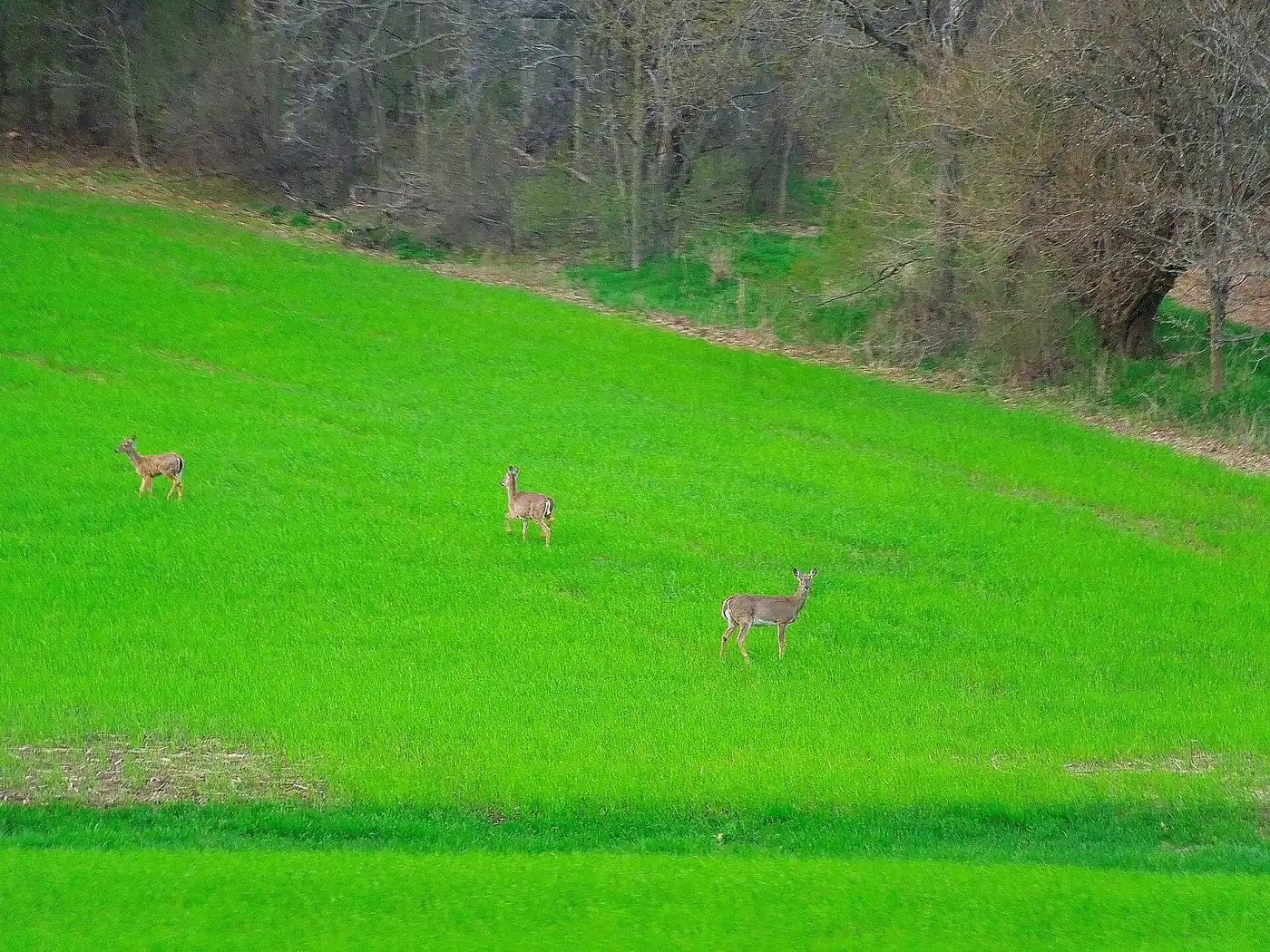
Wisconsin's nine-day gun deer season opens November 21, 2026, and runs through November 29. This page covers the official 2026 dates, CWD sampling in the counties Wisconsin Dirt covers, a landowner permission checklist, and the GameReg deadline. It does not invent bag limits, county permit quotas, or shooting hours.
Read the article: 2026 Wisconsin Gun Deer Season: Dates, CWD Sampling, and a Landowner Permission Checklist
There is no official Wisconsin survey of hunting-lease rates per acre. This article states that gap plainly, cites USDA/NASS farm cash rent (which is not a hunting rate), labels a 2024 Missouri university survey as Missouri data, and walks through the factors that actually move a lease price.
Read the article: Wisconsin Hunting Lease Rates Per Acre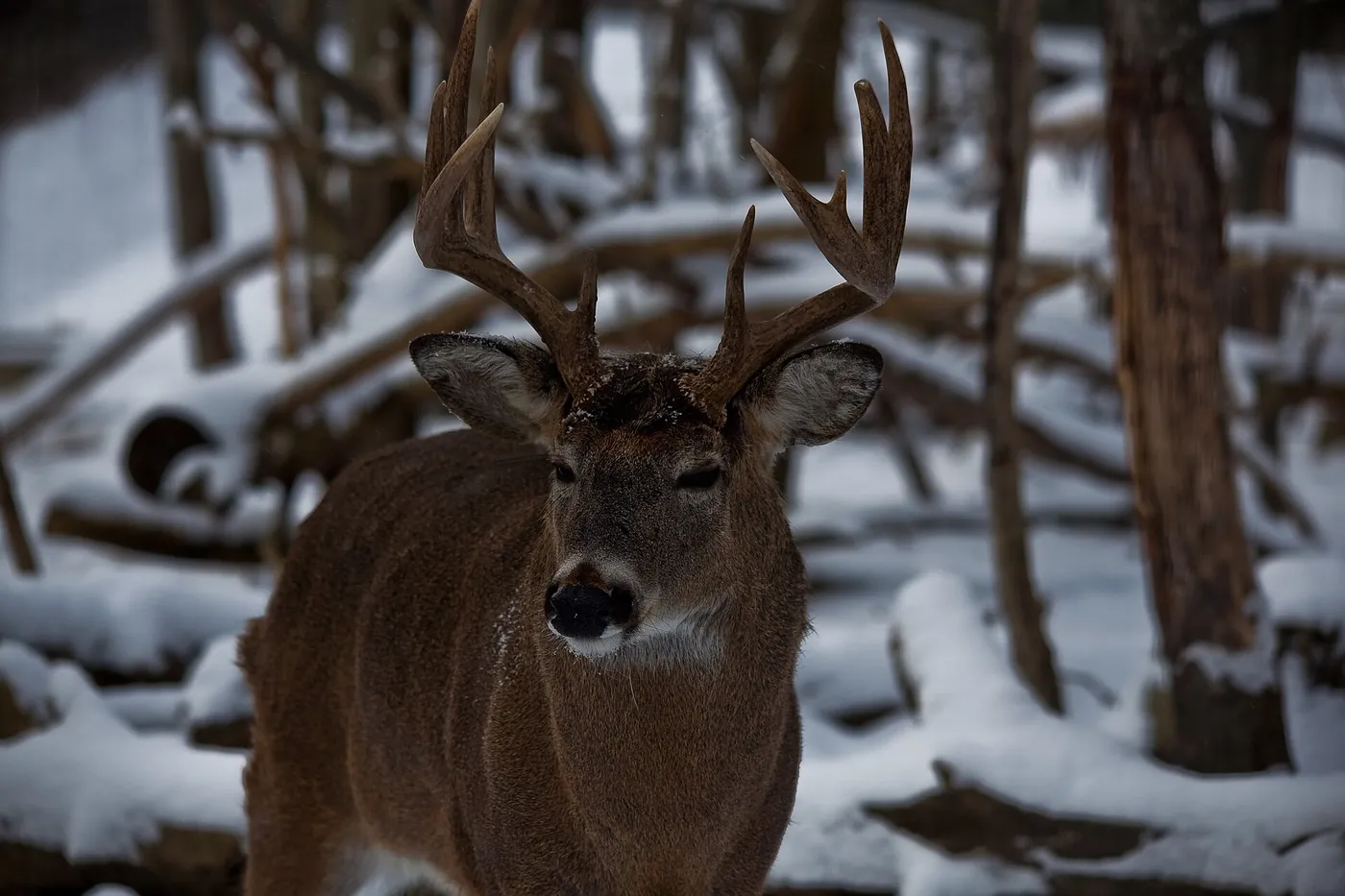
A November 13, 2026 snapshot of baiting and feeding status, CWD sampling needs, and year-to-date wild-deer test results for eight Central and Fox Valley counties, plus what is still allowed in a banned county, testing, and carcass rules. Rules change; confirm on the DNR baiting map.
Read the article: CWD Zones and Baiting Rules by County in Wisconsin
Wisconsin does not issue an official hunting-lease form. The statutes and DNR rules still set the backdrop: when a lease has to be in writing, how recreational immunity changes when money changes hands, and what you cannot contract away on Managed Forest Law land.
Read the article: Wisconsin Hunting Lease Agreement Basics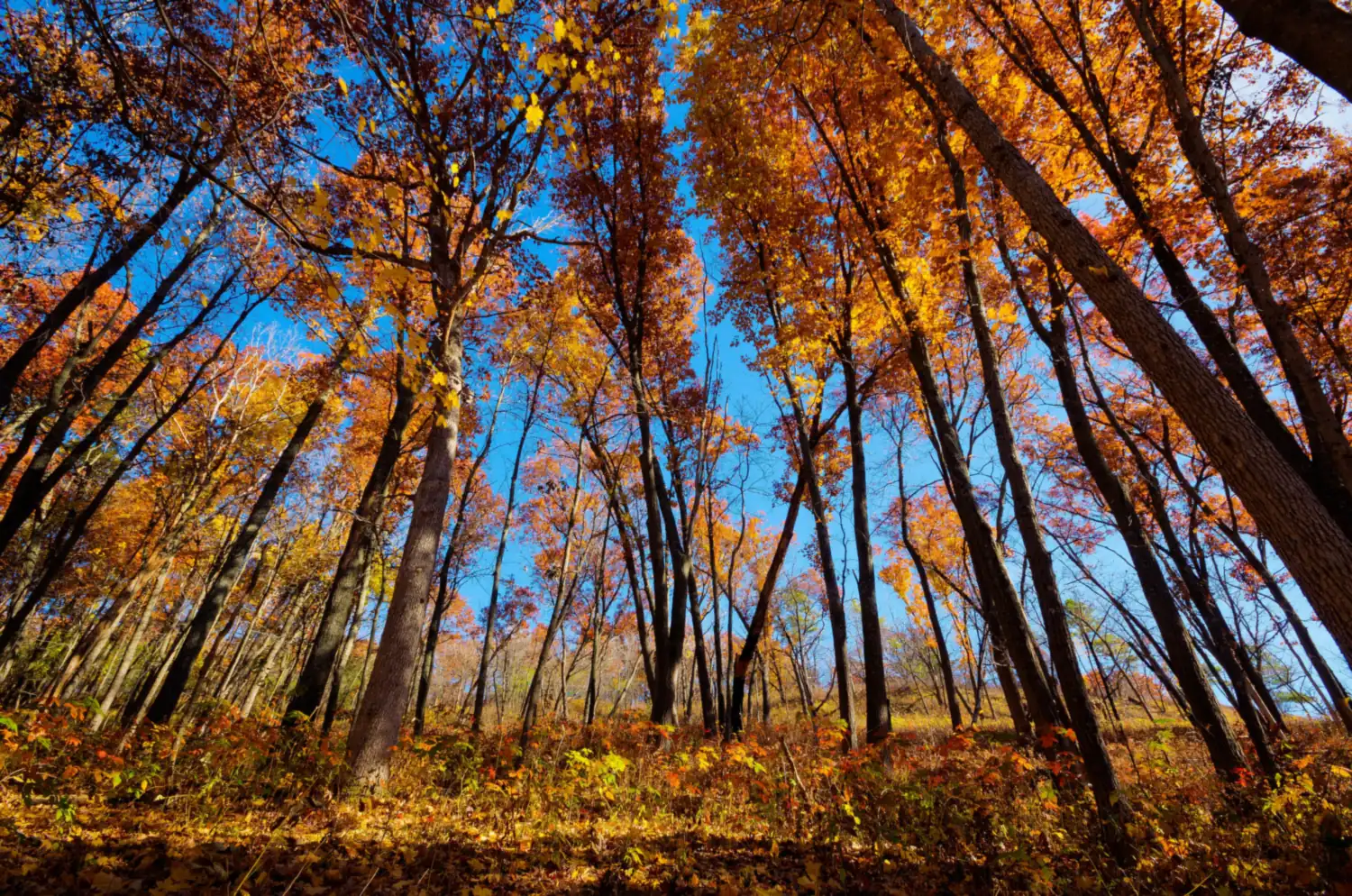
If you are looking at a wooded parcel in Central Wisconsin, check whether it is in Managed Forest Law. MFL can mean a lower tax line, public hunting access on open acres, limits on buildings, a required timber plan, a transfer form due after closing, and a withdrawal tax if the land leaves the program.
Read the article: Managed Forest Law for Hunting Land Buyers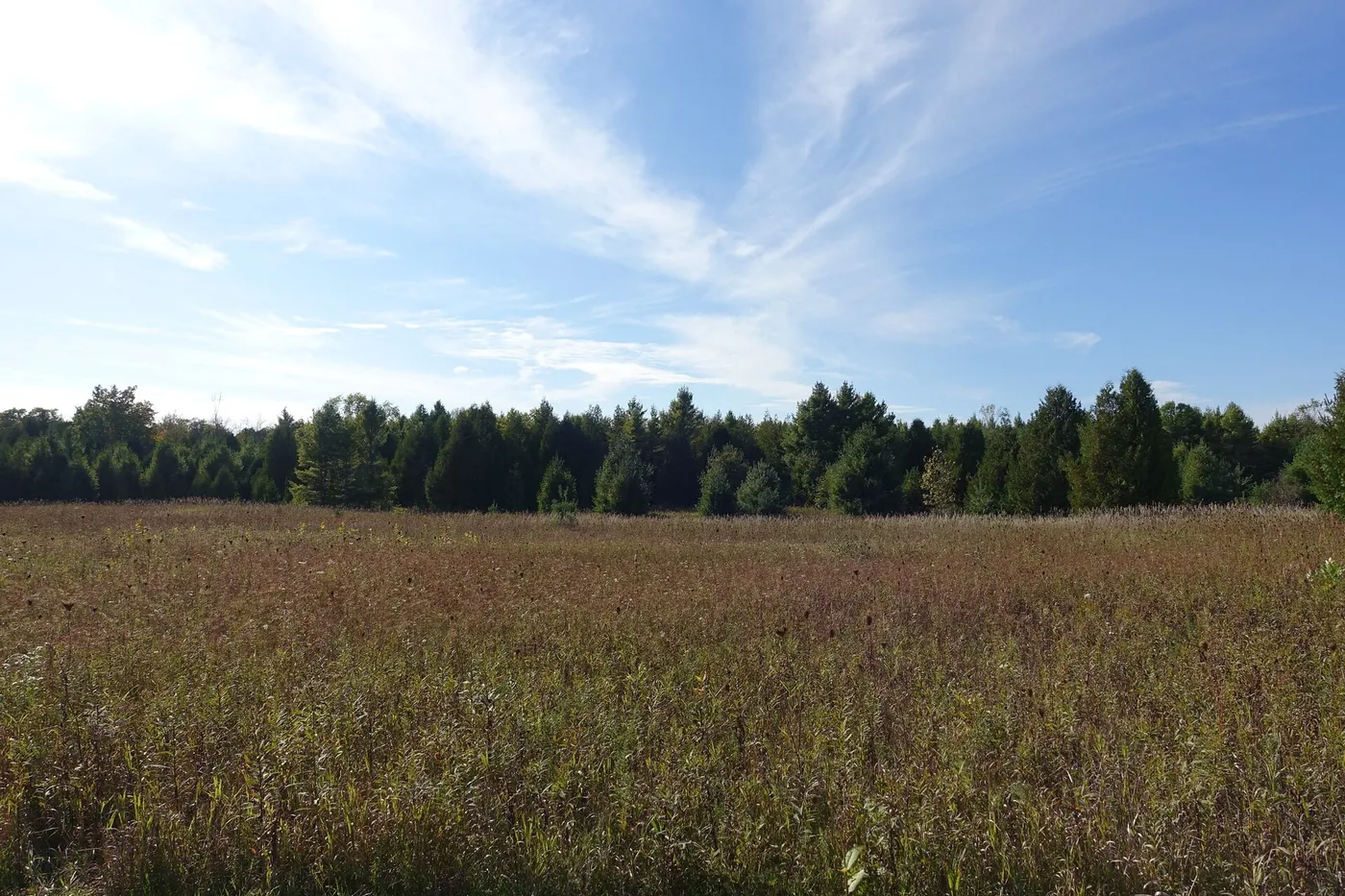
Selling a woodlot, hunting parcel, or vacant acreage around Wild Rose, Pine River, Poy Sippi, Redgranite, or Wautoma is a different job than selling a house in town. Here's what actually moves the price, how to clear up taxes and title, and how to get the land in front of buyers.
Read the article: How to Price and Sell Vacant or Hunting Land in Waushara County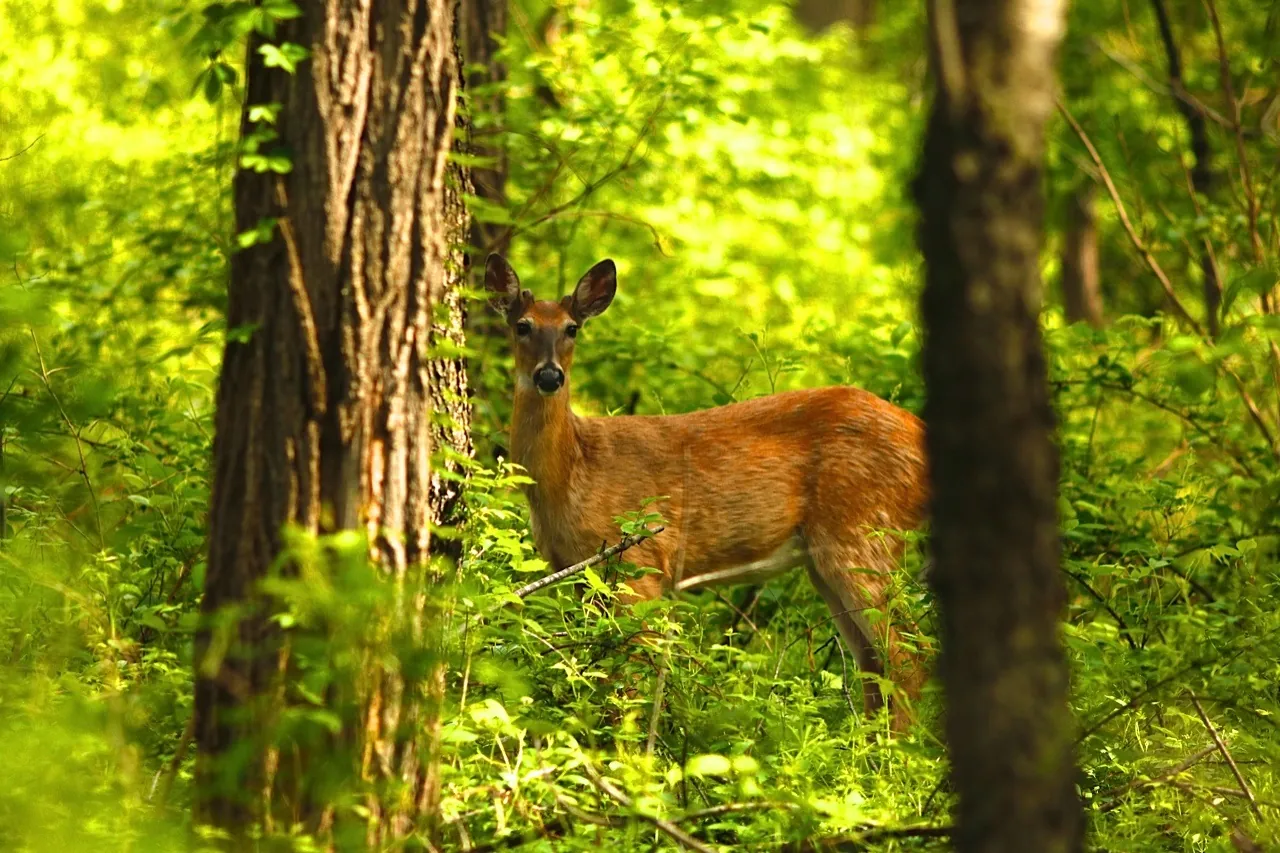
The short answer from the official numbers: wooded land that stayed in forest use in Waushara County averaged about $5,500 an acre in 2025. Here is where that figure comes from, how the neighboring counties compare, and why your parcel may land well above or below it.
Read the article: What Does Hunting Land Cost per Acre in Waushara County, WI?
For central Wisconsin, plan to have brassicas in the ground from late July into the first week or so of August. Here is the math behind that window, what happens if you miss it, and how we handle it on our own no-till plots.
Read the article: When to Plant Brassicas in Wisconsin (Central Wisconsin Dates)
On droughty Central Sands ground, the best food plot mix is the one that survives August. For most of our ground that means a cereal-grain base (winter rye and oats) with a modest brassica component, and clover only where the pH has been fixed.
Read the article: The Best Food Plot Mix for Central Wisconsin Sandy Soil
Skip the disc. Here is how to think through a no-till plot from site selection to the first rain after planting, with Central Wisconsin's sandy and loamy soils in mind.
Read the article: No-Till Food Plots in Central Wisconsin: A Practical Starting Point
pH is usually the first thing holding a Wisconsin food plot back. Here is how to pull a sample that actually represents your plot and what the numbers mean.
Read the article: Soil Testing Your Food Plot: How to Pull a Sample and Read the Results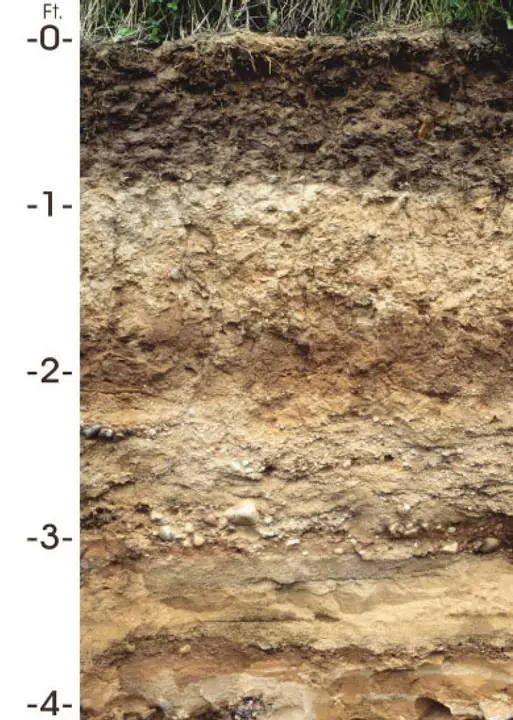
Target pH by crop, UW lime formulas, rates for 1/2 and 1/4 acre plots, pelletized lime, and timing, with a free calculator.
Read the article: Wisconsin Food Plot Lime & Soil pH
Recreational land is a different purchase than a house in town. Here are the questions worth answering before you write an offer on hunting ground.
Read the article: Buying Hunting Land in Waushara County: A Walk-the-Property Checklist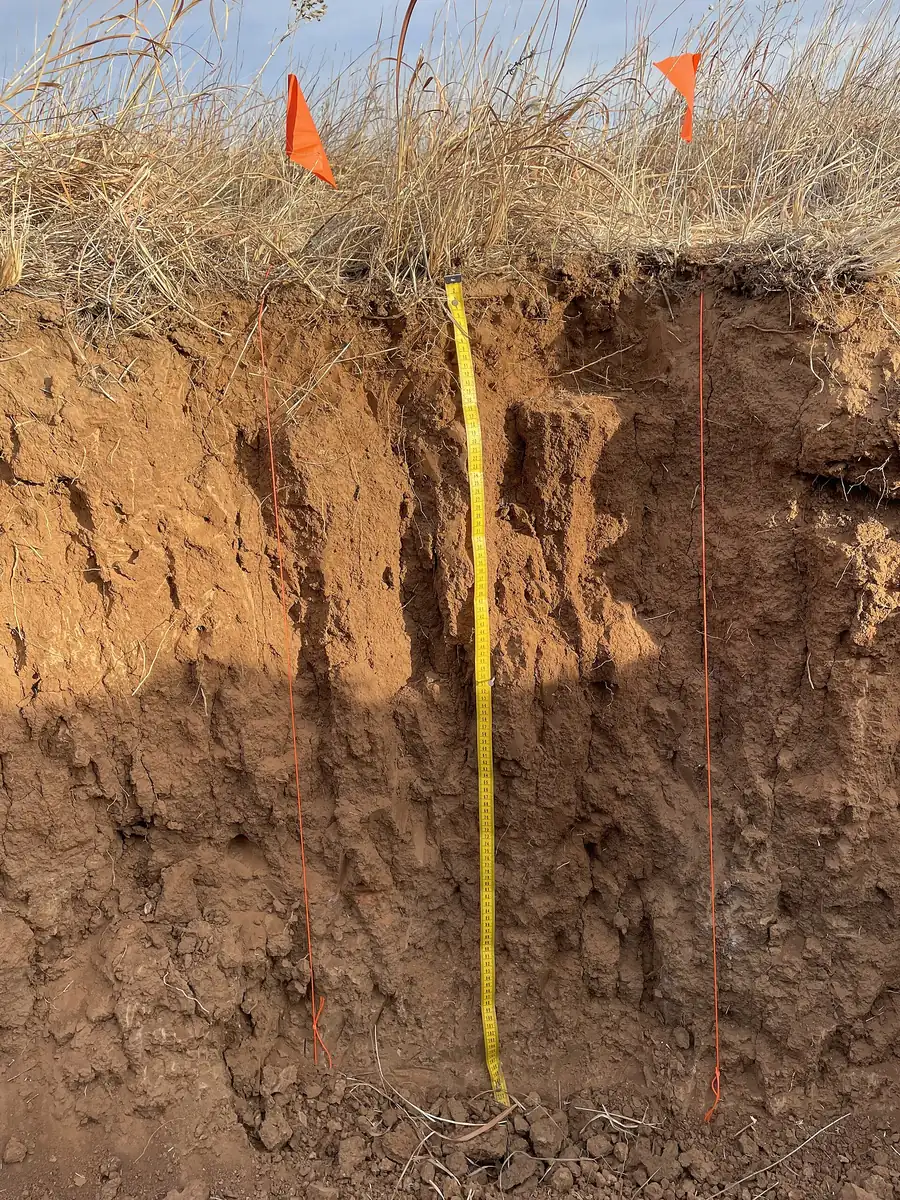
If a parcel doesn't have sewer, whether you can build on it may come down to what's a few feet underground. Here is what a soil and site evaluation is and why it matters.
Read the article: Why Vacant Land Needs a Soil Evaluation Before You Build
Acreage and price are only the start. Here's how to size up a Central Wisconsin hunting property for how it will hunt, what it can grow, what you can build, and what could trip you up at closing.
Read the article: What to Look for When Buying Hunting Land in Central Wisconsin
In fall 2026, we represented the sellers of vacant land near Pine River and Wild Rose, through Empower Real Estate Inc. Here is what a vacant-land sale in Waushara County actually involves, and how that closing got to the finish line.
Read the article: Vacant Land Changes Hands Near Pine River and Wild RoseBuying, selling, or improving ground in Wisconsin — start with a conversation.
One short email a week: new hunting access, leases, land for sale, and gear on the Wisconsin Dirt Land Board, plus a field note from Wisconsin Dirt TV. Free. Unsubscribe anytime.