If a parcel doesn't have sewer, whether you can build on it may come down to what's a few feet underground. Here is what a soil and site evaluation is and why it matters.
A beautiful vacant parcel can look perfect for a cabin or a home. But if there's no municipal sewer, which describes most rural land in Central Wisconsin, one of the biggest questions is invisible: can the soil support a private onsite wastewater treatment system (POWTS), commonly called a septic system?
What is a soil and site evaluation?
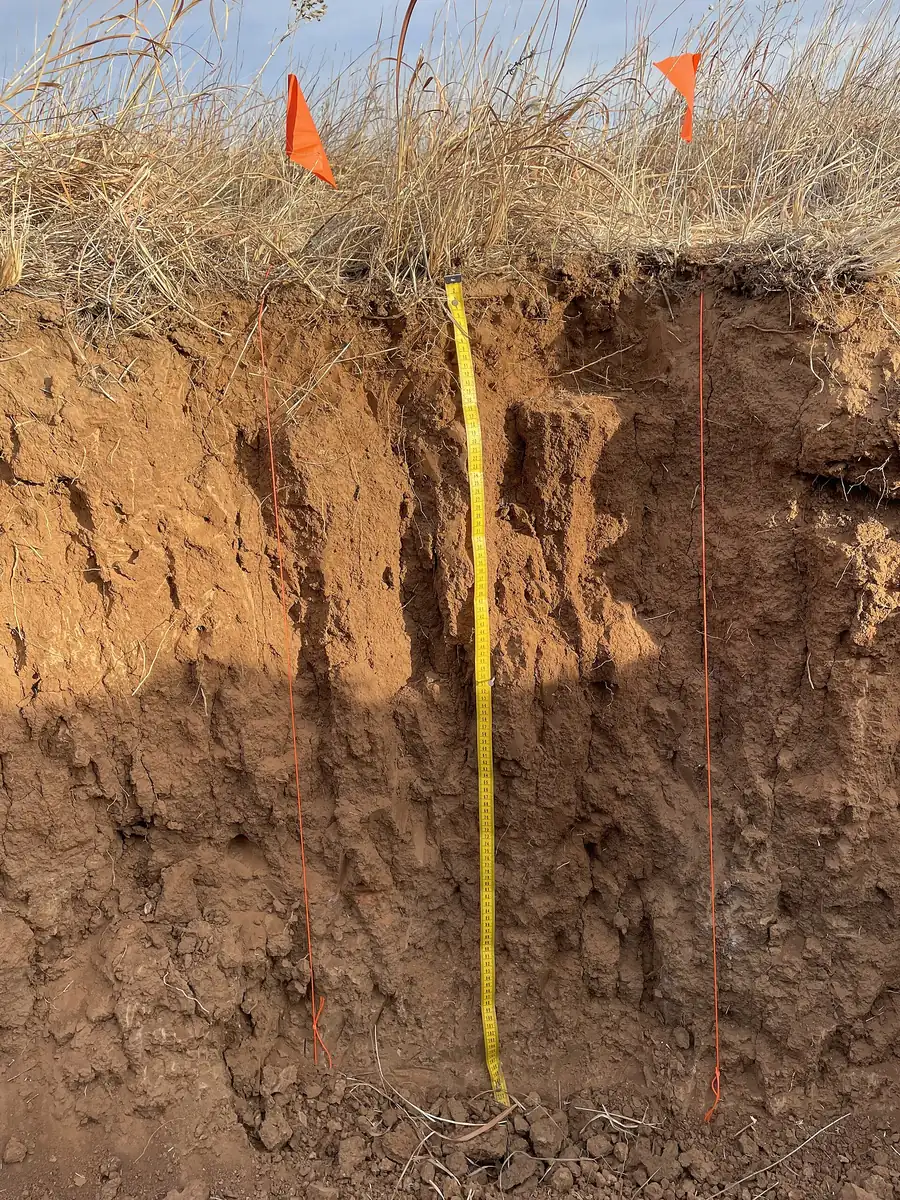
In Wisconsin, a soil and site evaluation is a field assessment of the soil where a septic system might go. Typically, pits are dug or borings are made, and the soil profile is described layer by layer: texture, structure, color, and signs of seasonal saturation. The site itself is also evaluated, including slope, setbacks, and landscape position. The findings go into a formal report that's filed with the county as part of the permitting process.
In Wisconsin, these evaluations must be performed by a credentialed professional, and the rules are set at the state level and administered locally. Your county zoning or sanitation office can tell you exactly what's required for a specific parcel.
What evaluators look for
- Soil texture and structure: how quickly water moves through, and how well the soil can treat wastewater.
- Depth to limiting conditions: seasonal high groundwater (often shown by soil color patterns called redoximorphic features) or bedrock.
- Slope and landscape position: some sites are too steep, too low, or in the wrong spot.
- Setbacks: required distances from wells, property lines, water, and buildings.
Why it matters before you buy
The results can determine whether a conventional system will work, whether a more expensive system type is needed, or whether the site is suitable at all. That can mean a very different budget, or a very different decision. On vacant land, many buyers make their offer contingent on a satisfactory soil evaluation so they can find out before they're committed.
What to expect from the process
- Planning: Identify where a home and system might reasonably go, and where the well would be.
- Fieldwork: Pits or borings are opened, often with an excavator, and the soil is examined and described.
- Reporting: The evaluator prepares the formal report and submits it per county requirements.
- Next steps: A system designer or licensed plumber uses the results to design a system and apply for a sanitary permit.
Timing and weather
Frozen ground and very wet conditions can affect when fieldwork can happen, and some counties have specific requirements about when observations can be made. If you're buying in late fall or winter, plan ahead.
About Wisconsin Dirt's soil services
Soil & site evaluations are a future Wisconsin Dirt service. They are not offered yet and will launch only once every Wisconsin requirement for performing them has been met. You're welcome to ask about future availability. In the meantime, contact your county office for a list of qualified professionals for any evaluation you need now.
General educational information only, not professional, legal, or engineering advice for a specific property. Always follow product labels and check current county and state requirements.