Part of our Wisconsin Food Plots guide — dates, seed and soil by season.
We no-till drilled a Green Lake food plot with one main seed box on hard, dry ground. Here's the setup, the concern, and what we saw a few days later.
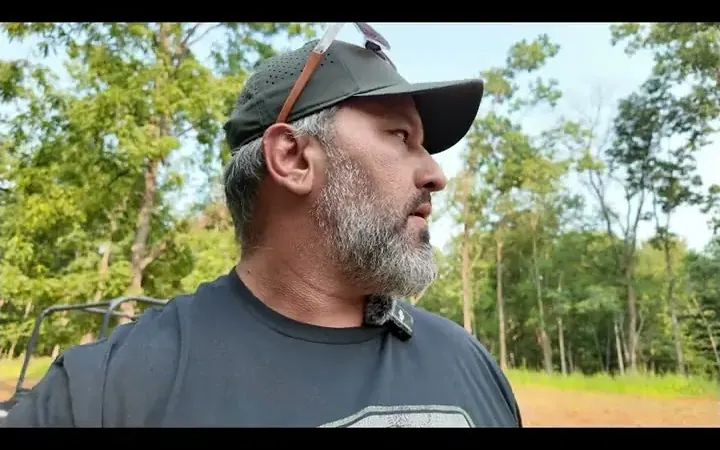
This one is an honest look at a no-till pass we weren't totally sure about. Vinny and the Wisconsin Dirt crew used the no-till drill and tractor to put in a food plot in Green Lake. We want to walk through the setup, the concern, and what we saw a few days later — without calling it a success or a failure. At the time we filmed it, we were still waiting to see if the seed would germinate.
A quick clover plot by the house
We open the video standing next to a little honey-hole clover plot we threw in really quick with a tractor, on the chunk by the house, about a week earlier, right before a good rain hit here in Wisconsin. We'll show that one more fully in another episode. A good rain had just come through, and we were hoping it was enough for the Green Lake plot too.
The Green Lake plot
The main footage is the plot Vinny and the crew put in at Green Lake. We first called it maybe an acre, right about an acre. Walking it, we described it as about an acre, a little less than three-quarters of an acre. In other words, it's a small plot, not a big field.
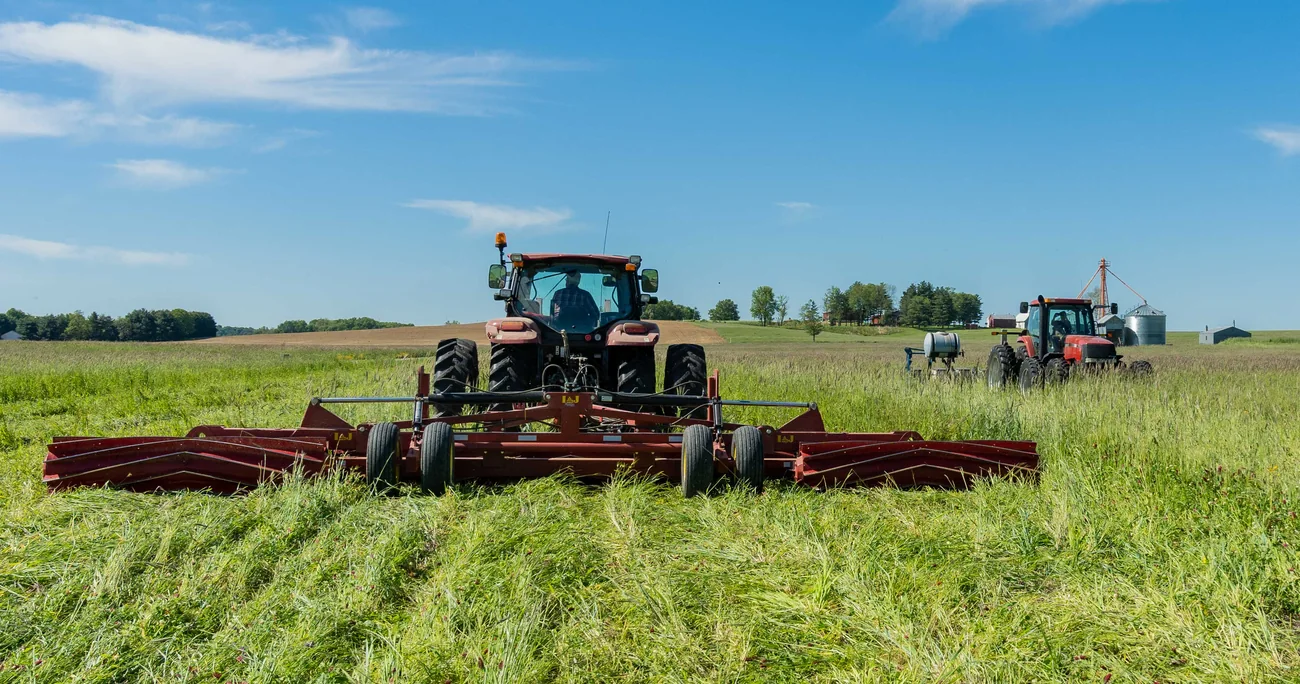
We had the no-till Great Plains drill on a 50-some horse John Deere. We had food plot seed from several commercial mixes, and one of those was the big one we pointed out.
We don't spell out a bag-by-bag recipe in the video, so we won't invent one here. Know what's in the drill before you start rolling.
The concern: one main seed box
Here's what had us thinking. We ran this pass before we really went through the no-till drill with a farmer we know who knows his stuff.
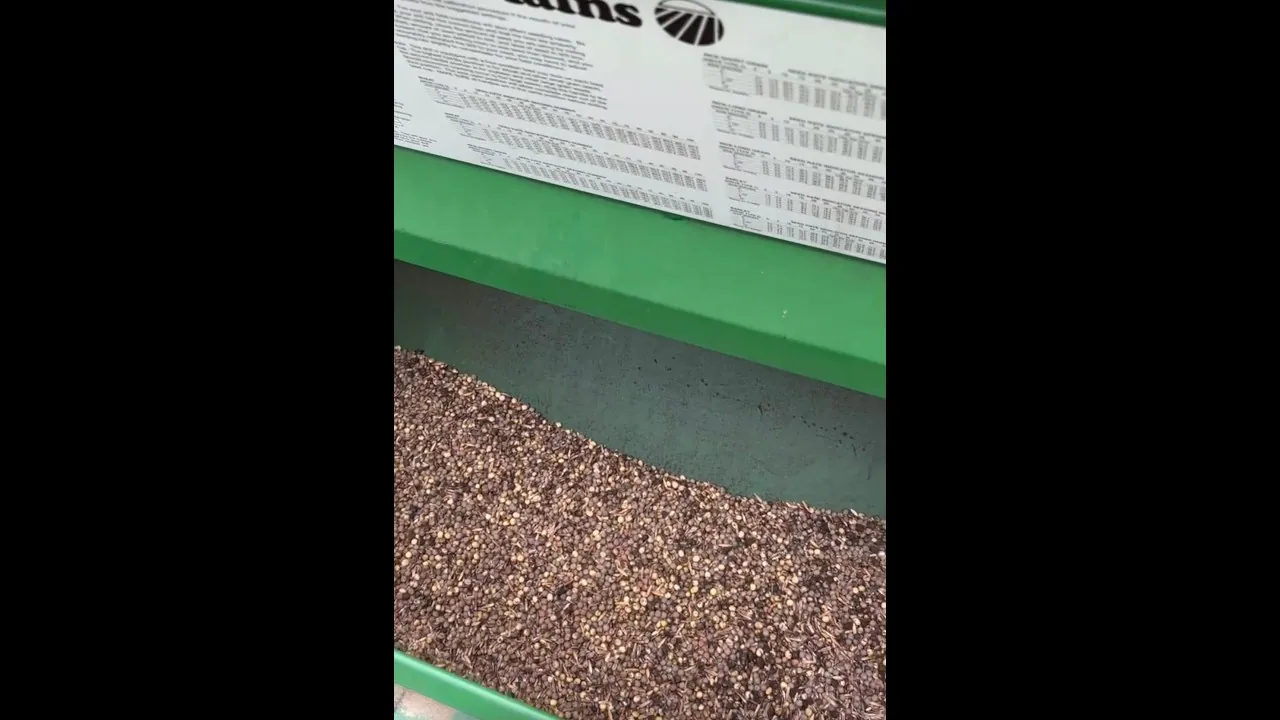
We put the seed in using just the one big main seed box, instead of using the smaller seed boxes for the brassicas and seed like that.
That can matter. Bigger seed and smaller seed don't always want the same box or the same depth. We didn't want this to turn into a "what not to do" video, but we also weren't going to pretend we already knew it was perfect.
Hard, dry ground, hoping the rain was enough
The other issue was the ground itself. The soil over there is hard — compaction, or just hard soil — and it was dry. We joked that it was like concrete, and that we were living in the Sahara Desert.
We were really hoping that rain hit it and the plot would germinate. We weren't sure. We were betting that it would, and we said we'd come back with an update in a week or two.
How the plot is laid out
The layout is what we like about this spot. The plot is tucked inside the corn, so the deer can feel safe using it. There's access to the road, so you can slip in without making a parade of it. Right there in the setup is a water hole Vinny made, and that spot consistently puts up some nice deer on camera every year.
There's also a 360 blind set up, and we're on camera. We have clover in there too. If we would ever get rain, more clover would come in — but as dry as it was, that clover was waiting on moisture like everything else.
The early check: extra seed and rolling
After we drilled it, Vinny went back about three or four days later. He didn't see a ton coming up in that food plot, so he threw down a little extra seed and compacted and rolled it, just to make sure there would be some growth.
Three or four days is early on hard, dry ground, but it's understandable to want a second chance at a stand. What's funny is that another food plot we have, probably not even a quarter mile away on the other side of the same property, was already coming up. That one was in our first video. Same property, very different early result.
Takeaway
Small plot, hard ground, one main seed box, and a rain we were counting on. That's the honest version of this Green Lake pass. The layout is strong. The open question was whether the seed would come.
If we were walking into a similar pass again, we'd be more careful about these:
- Go through the drill with someone who really knows it before you put seed in the box, if you can.
- Use the smaller seed boxes for brassicas and other small seed, not just the one big main box.
- Be honest about hard, compacted, dry soil, and whether you've had enough rain to germinate.
- Check the plot after you drill — and remember that a few days on dry ground may not tell the whole story.
- If you do go back with extra seed, rolling it can help with contact, but it's a backup, not a plan.
- Look at the whole property. A plot a quarter mile away may already be up when this one is still sitting there.
If you've got questions about what we're doing in these plots, or you want to compare notes on your own ground, join the Wisconsin Dirt Facebook group and jump in the conversation.
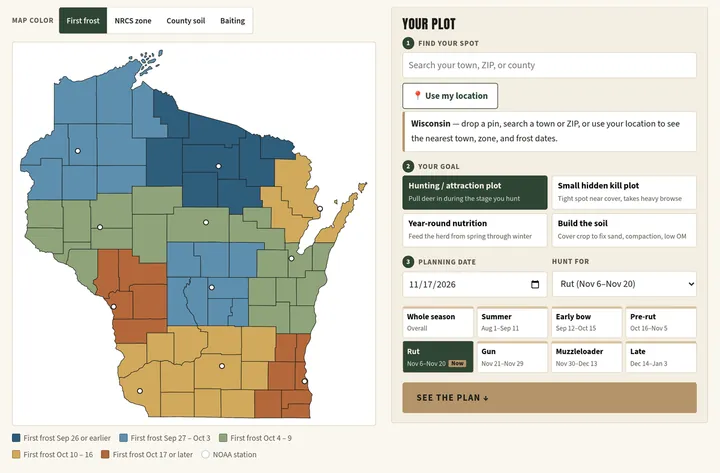
If you are planning a plot on hard or dry ground, start with a plan. The free Wisconsin Food Plot Planner helps you line up soil testing, seed choice, and planting windows before you hook up the drill.
General educational information only, not professional, legal, or engineering advice for a specific property. Always follow product labels and check current county and state requirements.