Part of our Wisconsin Food Plots guide — dates, seed and soil by season.
pH is usually the first thing holding a Wisconsin food plot back. Here is how to pull a sample that actually represents your plot and what the numbers mean.
If you only do one thing differently on your food plots this year, test the soil. A test costs less than a bag of seed, and it tells you what your ground actually needs instead of guessing with whatever fertilizer is on sale.
Why it matters
Plants can only use the nutrients in the soil if the pH lets them. On acidic ground, which is common in many parts of Wisconsin, you can spread plenty of fertilizer and still watch clover struggle. Lime fixes pH, but it reacts slowly. Testing well ahead of planting gives it time to work.
What you need
- A soil probe, or a clean spade or trowel
- A clean plastic bucket. Avoid galvanized or rusty metal, which can skew micronutrient results
- Sample bags or boxes and the information form from the lab you choose
- A pen and a rough sketch of the plot
In Wisconsin, many landowners use the UW–Madison Soil and Forage Lab or a reputable private lab. County Extension offices can point you to options. Use the same lab over time so your results are comparable.
How to pull a good sample
- One sample per area that's managed alike. If one end of the plot is a sand knob and the other is a low, darker spot, sample them separately.
- Walk a zigzag. Take 10 to 15 cores scattered across the area. One scoop from one spot doesn't tell you much.
- Go to a consistent depth. Follow your lab's instructions, commonly the top 6 inches for plots and fields. Scrape off surface thatch first.
- Mix well. Break up the cores in your bucket, mix thoroughly, and fill the sample bag to the line.
- Label everything. Write the plot name on the bag and the form, and note what you plan to plant. Many labs tailor recommendations to the crop.
Reading the report
pH
The number that matters most. Most clovers and alfalfa prefer near-neutral soil, and many food-plot blends do best somewhere in the mid-6s to around 7. Brassicas and cereal grains tend to tolerate a slightly wider range. If your pH is low, the report will usually include a lime recommendation.
Phosphorus (P) and Potassium (K)
Reported in parts per million, often with a rating such as low, optimum, or high. Legumes like clover lean heavily on potassium. If you're "optimum" or above, you may need far less fertilizer than you think.
Organic matter
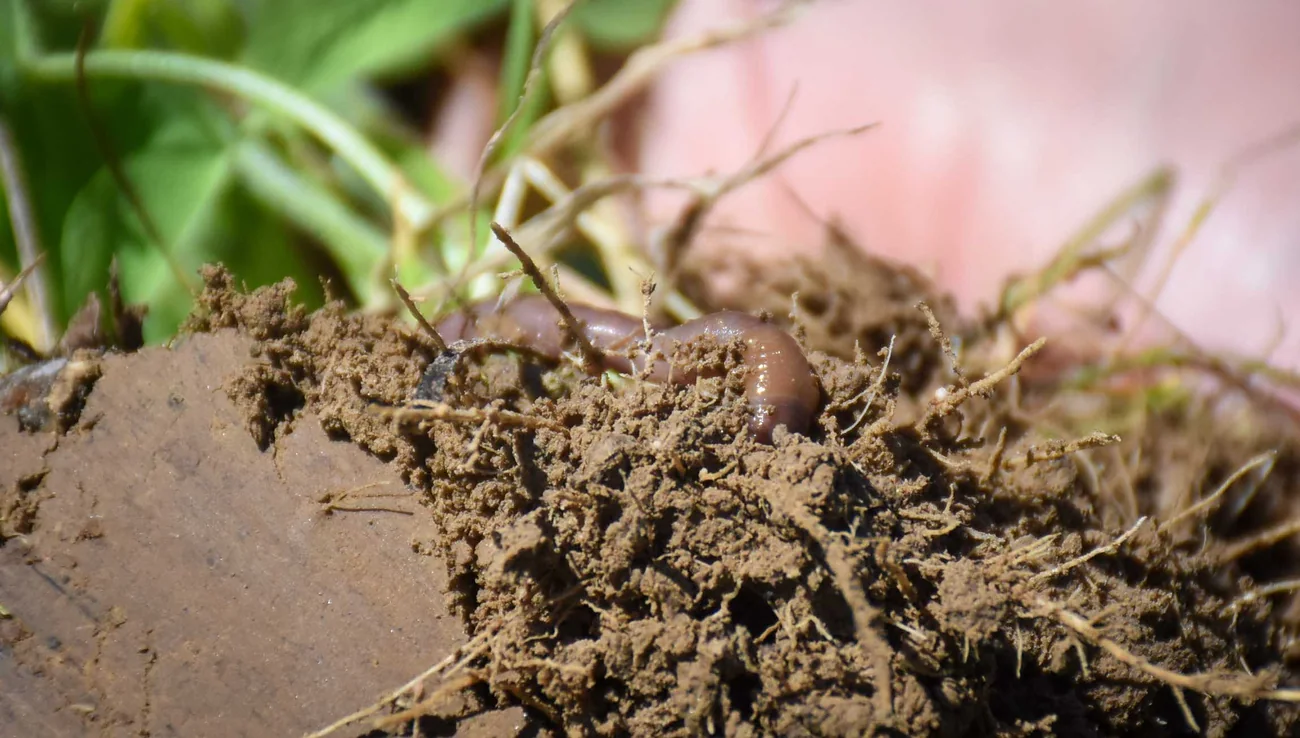
Sandy Central Wisconsin soils often run low. Organic matter holds water and nutrients. Cover crops, no-till, and keeping the ground covered are how you build it over the years.
Recommendations
The lab translates the numbers into pounds of lime and nutrients per acre for the crop you listed. Convert that to your plot's actual size before you buy anything. The free lime and fertilizer calculator does it for you, and the food plot lime & soil pH guide explains the rates.
A few practical notes
- Lime is slow. Spreading it well before planting, and ideally working on pH a season ahead, pays off.
- Re-test every couple of years, or sooner if you're correcting a big problem.
- Keep your reports. Watching the trend over time is where the real value is.
Note
Fertility soil testing for food plots is different from the soil and site evaluations used for septic system planning. Those are a regulated service in Wisconsin. See Why Vacant Land Needs a Soil Evaluation.
Plan the plot for your Wisconsin county
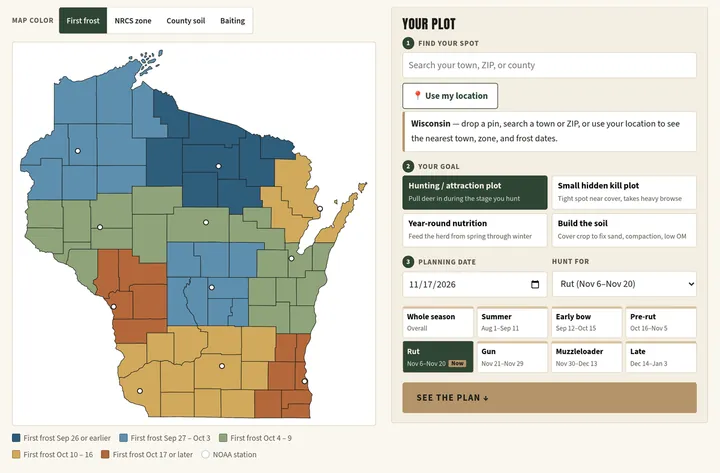
For frost dates and planting windows in your county, open the Wisconsin Food Plot Map or print the free Wisconsin Food Plot Planner. See also Wisconsin food plot planting dates by county, best food plots for Wisconsin deer, and spring food plots in Wisconsin.
Spring soil tests and lime in Wisconsin
Fall is the best time to test and lime a Wisconsin food plot, because lime can take months to change pH. If you are planning a spring food plot and you do not have a current report, sample as soon as the ground can be probed and spread lime when the lab calls for it. You may not see a full pH correction before a May clover or oat seeding, but starting in spring still beats planting into an untested, sour plot. This guide is about how to pull a sample and read a lab report.
Quick answers
When should I soil-test a Wisconsin food plot?
Fall is ideal, so lime has time to react over winter. Early spring is the next-best window if you missed fall and you plan to plant clover or oats in April or May.
How long does lime take to work?
Often months, not weeks. That is why a fall test and fall lime application are worth planning in winter, before spring food plots in Wisconsin go in.
Is this the same as a septic soil test?
No. Fertility testing for food plots (pH, lime, phosphorus, potassium, organic matter) is different from the soil and site evaluations used for septic planning.
General educational information only, not professional, legal, or engineering advice for a specific property. Always follow product labels and check current county and state requirements.