Recreational land is a different purchase than a house in town. Here are the questions worth answering before you write an offer on hunting ground.
Buying hunting or recreational land is exciting. It's also a different animal than buying a house in town. There's no standard inspection report for a 40 of oaks and swamp, so it's on the buyer to ask the right questions. Here's a checklist we'd walk through on any Central Wisconsin property.
1. Access, legally and practically
- Does the parcel have legal, recorded access to a public road, or is it landlocked? A trail someone "has always used" is not the same as a recorded easement.
- Can you get a truck and trailer in? Is there a spot to park that doesn't push deer off the property every time you arrive?
- How would you access stands with different winds without walking through bedding cover?
2. Boundaries
Fence lines and old blazes are not always the true line. Ask whether a survey exists, and consider a new one if the corners can't be found. Know where the neighbors' stands are before you fall in love with a ridge.
3. Zoning, building, and septic
Want a cabin someday? Check county zoning, minimum lot sizes, shoreland rules near lakes and streams, and whether the soils are likely to support a private septic system. That last question is answered by a soil and site evaluation. We explain why in this article.
4. Programs and encumbrances
- Managed Forest Law (MFL): Many Wisconsin woodlands are enrolled. MFL carries tax benefits and management obligations, and the rules for transferring enrolled land and whether it's open or closed to public access matter. See Managed Forest Law for hunting land buyers, and check the details with the Wisconsin DNR.
- Conservation programs or easements: CRP contracts, conservation easements, and similar agreements can limit what you can do with the ground.
- Leases: Are there existing farm or hunting leases? When do they end? For what a written hunting lease should cover, see Wisconsin hunting lease agreement basics. There is no official Wisconsin per-acre hunting-lease survey; Wisconsin hunting lease rates per acre explains what published data actually shows.
- Mineral, timber, or other reserved rights: Read the title work.
5. Wetlands and floodplain
Wet ground can be great habitat and a great sanctuary, but it's not buildable and may be regulated. The Wisconsin DNR's Surface Water Data Viewer is a good free place to start looking at mapped wetlands and floodplains.
6. Soils and what the land can become
The USDA Web Soil Survey is free and shows mapped soil types for any parcel. Sandy soils drain fast and can be droughty for food plots. Heavier soils hold moisture but may be wet in spring. Knowing what you're working with tells you what's realistic for plots, timber, and building.
7. Habitat potential
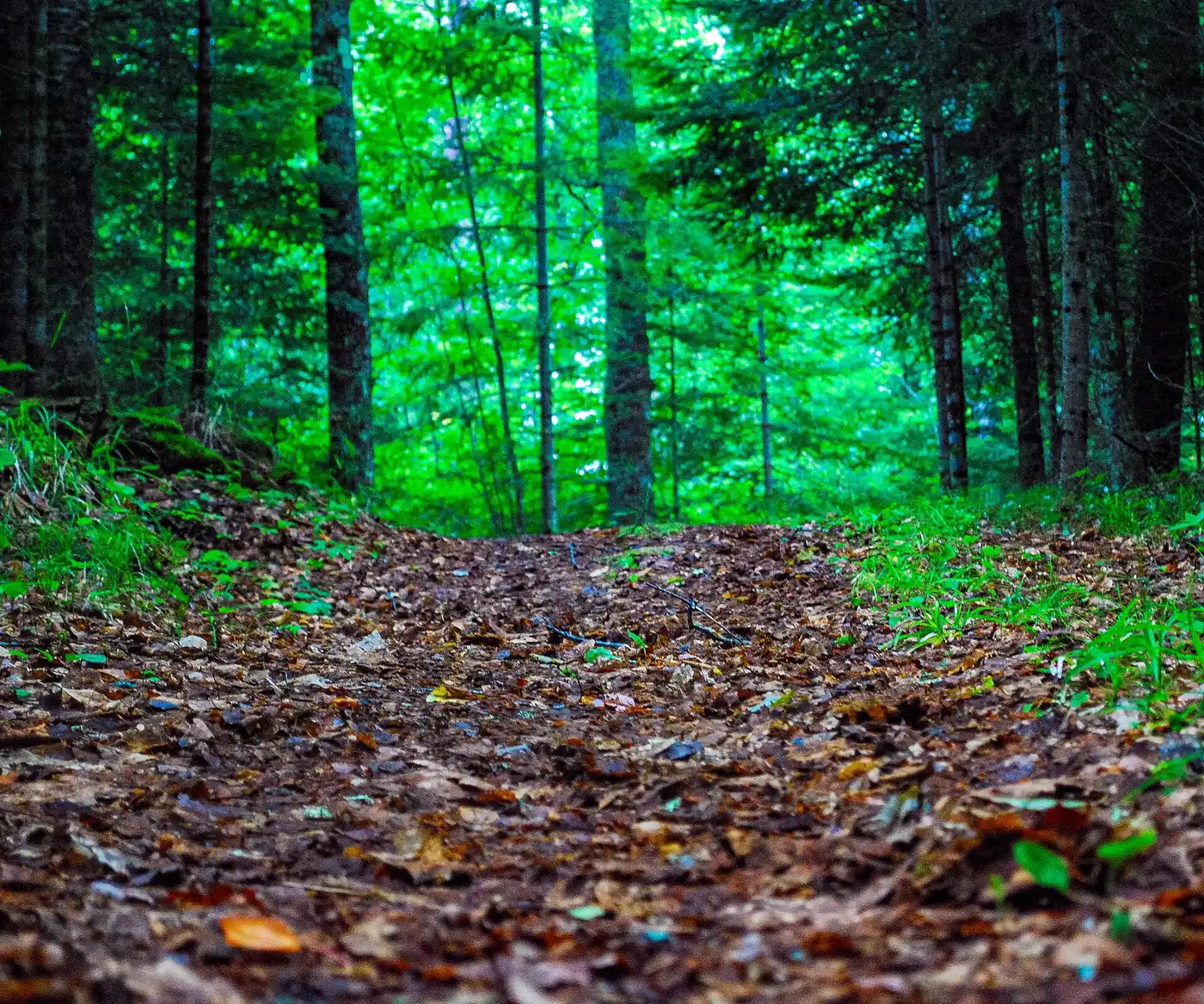
Look past what the property is today and ask what it could be. Is there bedding cover? Water? Spots that get enough sun for a plot? Timber that could be improved? A property with good bones and a plan can change a lot in a few years. That's the kind of thing a habitat walk-through helps you see.
8. The neighborhood
Hunting pressure on adjoining land, nearby ag fields, roads, and future development all shape how deer use your ground. Drive the roads around it at different times of day.
Talk it through
If you're looking at land in Waushara County or nearby, we're glad to help you think it through. Real estate services are provided through Empower Real Estate Inc. If you are ready to look at parcels, Talk to a local land agent.
Already picturing food plots on a new property? The free Wisconsin Food Plot Planner helps you plan site, soil, seed, and timing once the land is yours.
General educational information only, not professional, legal, or engineering advice for a specific property. Always follow product labels and check current county and state requirements.