Acreage and price are only the start. Here's how to size up a Central Wisconsin hunting property for how it will hunt, what it can grow, what you can build, and what could trip you up at closing.
Two 40-acre parcels a few miles apart in Waushara County can be completely different properties. One is a dry oak ridge on sandy ground next to an irrigated field; the other is a cedar and tag alder swamp along a trout stream. Both might be great hunting land, but for different people and different reasons. Before you look at listings, it helps to know what you're actually shopping for.
Start with how you'll use it
Write down what you want the land to do for you in five years. Bow hunting only, or gun season with family? Food plots? A cabin or a future home site? Timber income? Somewhere to ride ATVs, fish, or just walk? The answers decide which features are must-haves and which are nice extras, and they keep you from paying for things you won't use.
Huntability matters more than acreage
A well laid-out 30 acres can hunt better than a poorly shaped 80. When you walk a property, ask:
- Shape. Long, skinny parcels have a lot of edge shared with neighbors. Blockier parcels give you more room to create sanctuary and hunt it without being seen.
- Access. Can you get to likely stand sites on the prevailing winds without crossing bedding cover or field edges where deer feed? Low, quiet entry routes along creek bottoms or behind screening are worth a lot.
- Neighbors. Look at aerial photos for stands, plots, and cabins next door. Heavy pressure on adjoining land changes how deer use yours.
- Room to improve. Is there a place for a plot that gets enough sun? Cover that could be thickened? Timber that could be managed to bring more browse?
Food, cover, and water
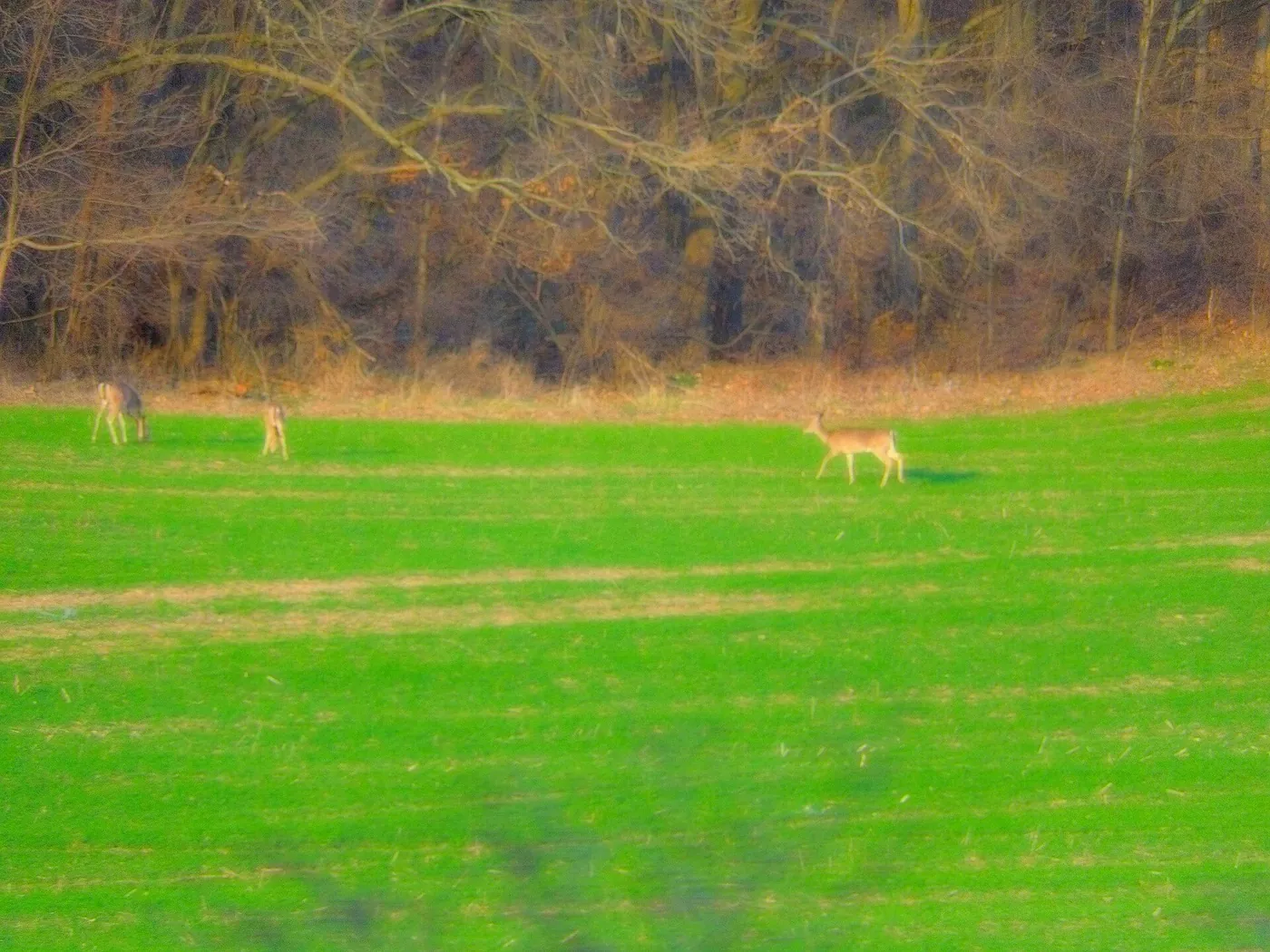
Deer need all three, and the best properties either have them or can be built to have them. In Central Wisconsin farm country, neighboring ag fields, including irrigated vegetable and grain ground in the Central Sands, can be a big food source for part of the year and then disappear after harvest. That makes late-season food and thick cover on your own property more valuable. Water in the form of a creek, pond, spring, or wetland edge is a draw, and on dry sandy ground it's worth noting where the nearest dependable water is.
Know the soils
Much of Waushara County sits in Wisconsin's Central Sands, where many soils are sandy and drain fast. That affects almost everything: how food plots handle a dry August, how much lime and fertility work you'll need, how trails hold up, and where a house and septic system can go. Heavier loamy soils and low, wet ground show up too. Look up the parcel on the free USDA Web Soil Survey before you visit, then dig a few holes with a spade when you walk it. Our article on soil testing for food plots covers what to do after you buy.
Water, wetlands, and shoreland rules
Streams, lakes, and wetlands are often what make a property special, and they come with rules. Wisconsin counties regulate building and land disturbance near lakes and streams through shoreland zoning, and wetlands are regulated at the state and federal level. The Wisconsin DNR's Surface Water Data Viewer shows mapped wetlands and floodplains. Check them before you count on building a cabin, a pond, or a plot near the water.
Legal access and boundaries
Confirm the parcel has legal, recorded access to a public road. A field road the neighbor "lets everyone use" is not an easement. Ask whether there's a recent survey, and if the corners can't be found, consider making the offer contingent on one. Boundary surprises are much cheaper to find before closing than after.
Programs, leases, and taxes
- Managed Forest Law (MFL). A lot of Wisconsin woodland is enrolled. MFL lowers property taxes in exchange for following a forest management plan, and enrolled land is designated either open or closed to public access for certain activities, including hunting. Find out the status, the remaining term, and what's scheduled in the plan before you buy. See Managed Forest Law for hunting land buyers. The Wisconsin DNR has the details.
- Farm programs and easements. CRP contracts, conservation easements, and similar agreements can limit what you can do and when.
- Existing leases. Farm rental or hunting leases may run past closing. Get copies and know the end dates. Wisconsin hunting lease agreement basics covers the writing, liability, and MFL issues that often come up. Wisconsin hunting lease rates per acre covers what published rate data actually shows.
- Taxes. Ask for recent tax bills. Tillable ground taxed as agricultural land and woodland in MFL are taxed very differently from a residential lot.
Building potential
If a cabin or home is in the plan, check county zoning and minimum lot rules, driveway access, the distance to power, and, most of all, whether the soils can support a private septic system. That question is answered by a soil and site evaluation, which is why many buyers make vacant land offers contingent on one. We explain the basics in Why Vacant Land Needs a Soil Evaluation Before You Build.
Public land nearby: help or hurt?
Bordering state or county land can make a small parcel feel bigger and add places to hunt. It can also mean more hunters walking your lines, especially during the nine-day gun season in November. Neither is good or bad; it just changes how you'd set up and hunt the property.
Visit more than once
See the property in different seasons and at different times of day if you can. A parcel that looks dry in August may be under water in April. Drive the roads at dawn and dusk to see where deer cross and how much traffic there is. If the property is listed during hunting season, ask the listing agent how showings are being handled so you don't interfere with anyone's hunt.
Write the offer to protect yourself
Common contingencies on recreational land include a survey, a satisfactory soil evaluation for a building site, financing, review of title work and any easements, and a clear answer on leases and program enrollments. Your agent can help you decide which make sense for a specific property. For an on-site list, use our walk-the-property checklist.
Looking in Waushara County or nearby?
See Hunting Land for Sale in Waushara County, or tell us what you're looking for. Real estate services are provided through Empower Real Estate Inc. If you are ready to look at parcels, Talk to a local land agent.
Once you find the right ground, the free Wisconsin Food Plot Planner helps you plan your first food plots: site, soil, seed, and timing for Central Wisconsin.
General educational information only, not professional, legal, or engineering advice for a specific property. Always follow product labels and check current county and state requirements.