
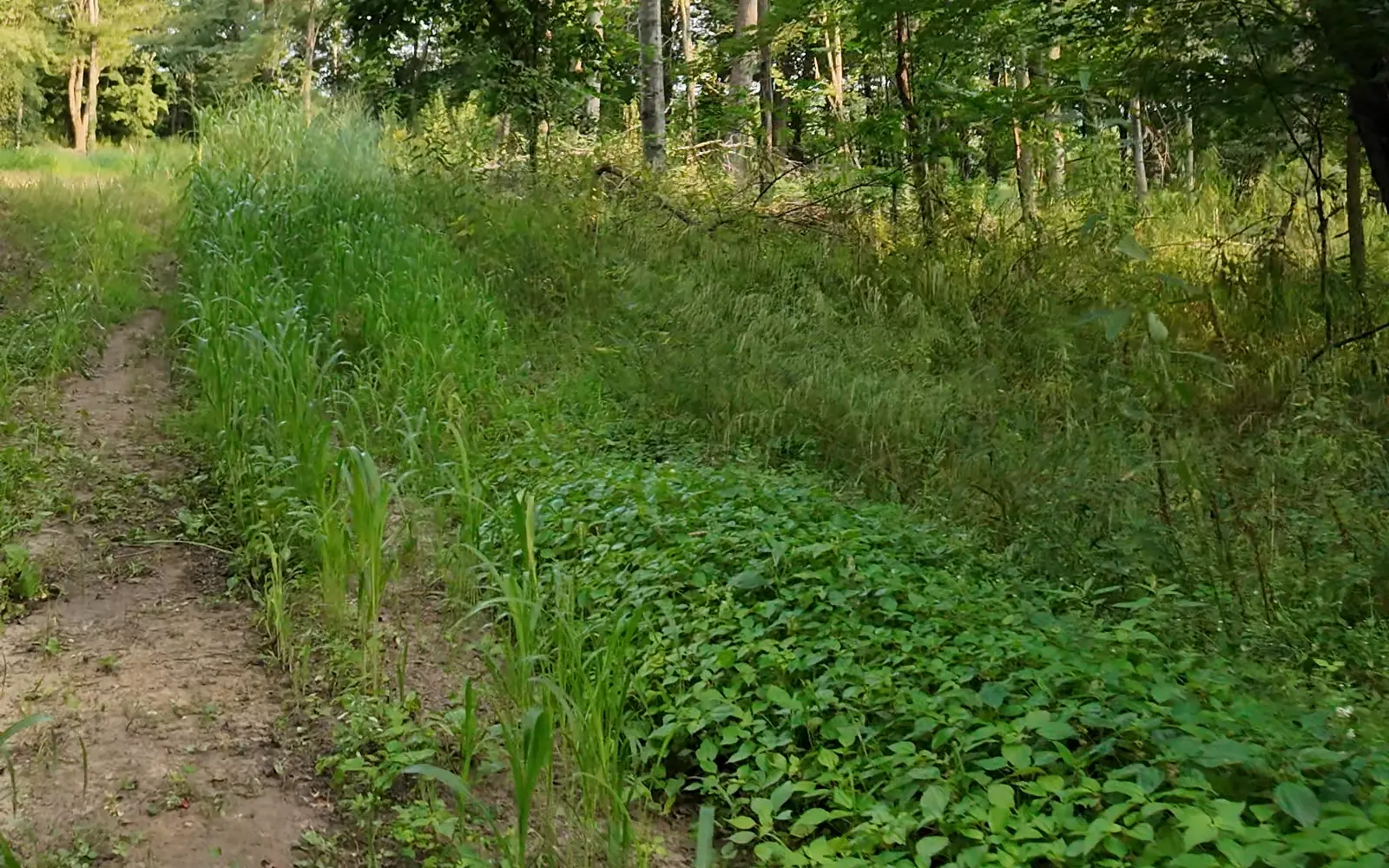
No-till drill
The most consistent seed-to-soil contact, planting directly into residue or terminated cover. In some counties, drills can be rented through the county land conservation department or a local co-op. Call ahead.
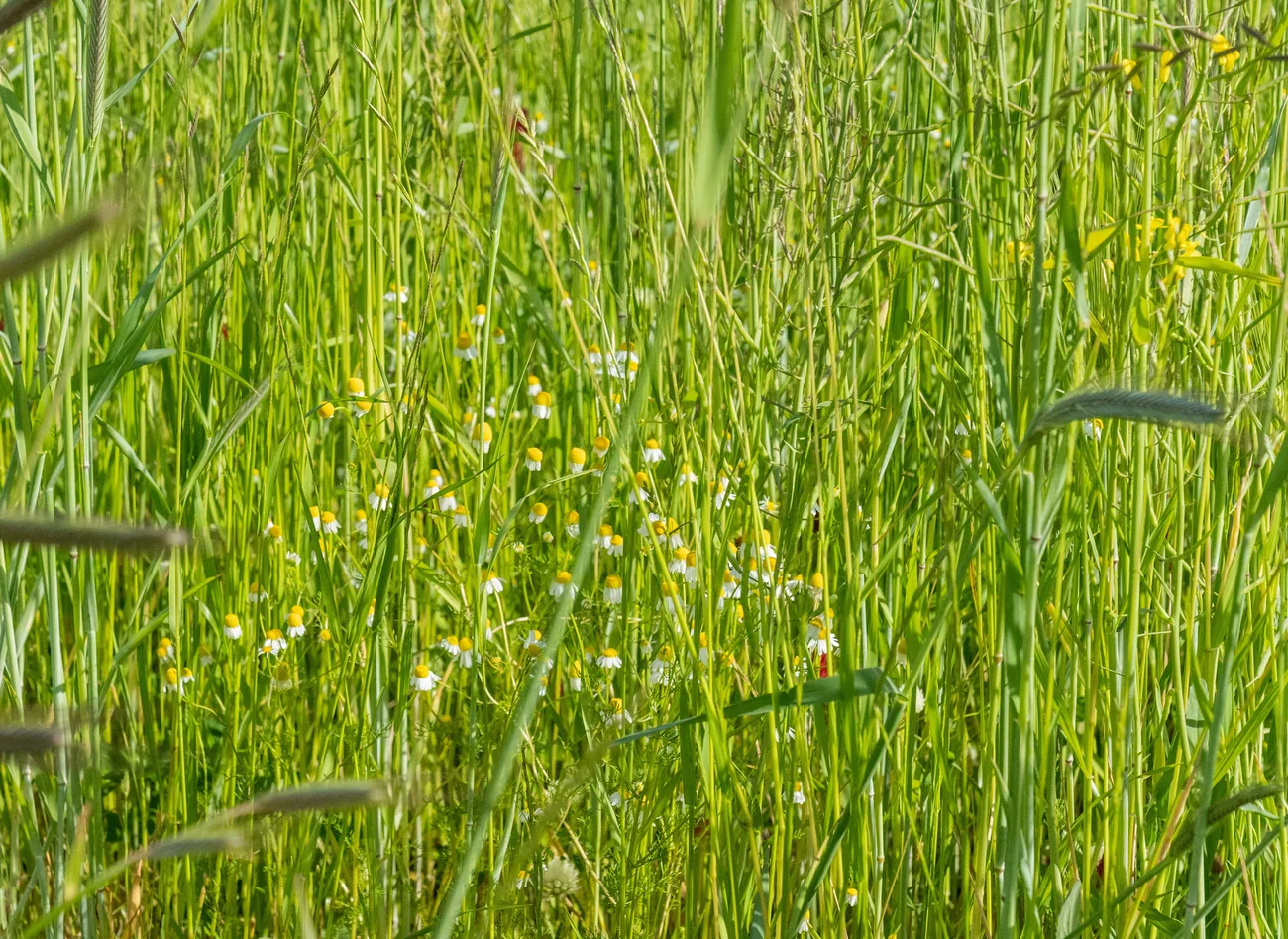
A good food plot starts with a plan: the right spot, a soil test, the right seed at the right time, and a layout that lets you hunt it without burning it out. Here's how we think through it on Central Wisconsin ground.
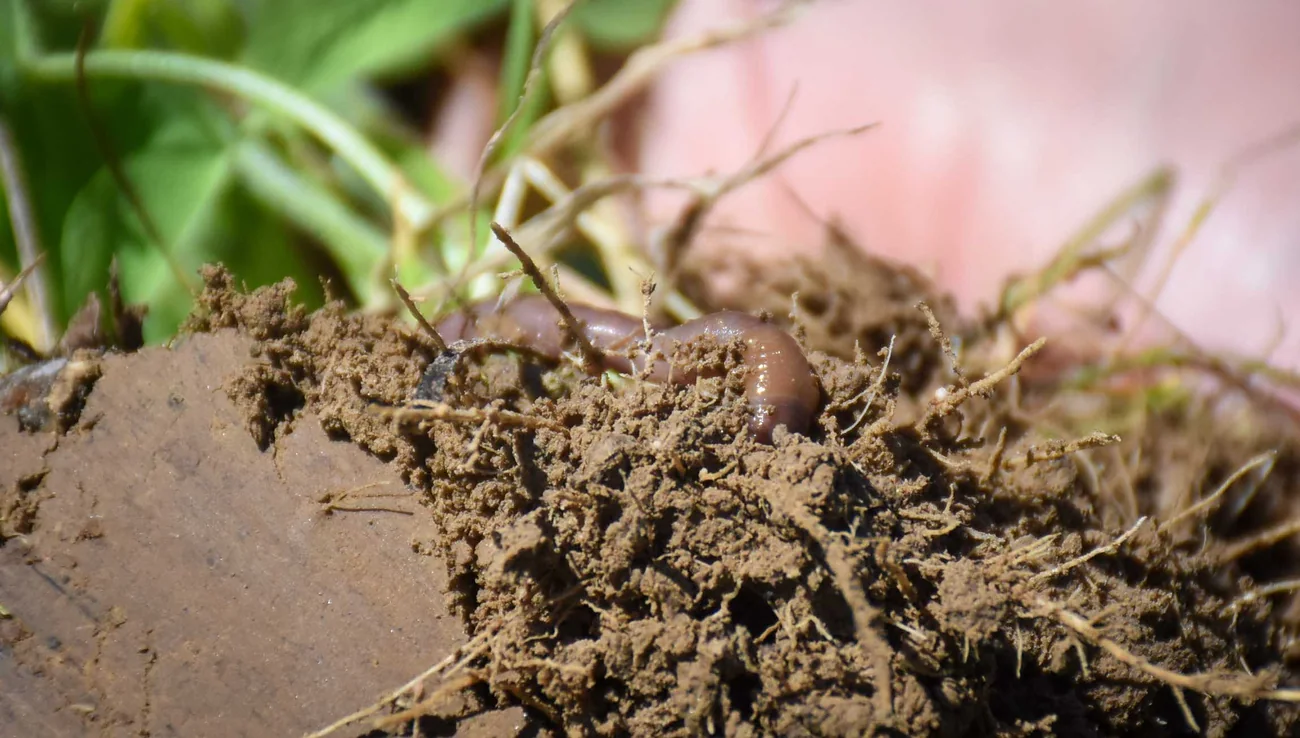
On a lot of Central Wisconsin ground, soil pH is the first thing holding a plot back. Many food plot crops do best with pH somewhere around 6 to 7, and lime takes months to react, so the soil test should come well before planting. A lab report tells you how much lime, phosphorus, and potassium the plot actually needs, so you're not guessing with a bag of 13-13-13.
Sandy soils hold less water and fewer nutrients, so moisture and fertility management matter even more. That's one of the biggest reasons we like no-till and cover crops here. See our guide to pulling a good soil sample.
Timing shifts with the weather and your soil, so treat these as general windows, not fixed dates.
Frost-seed clover into existing plots while the ground freezes and thaws. Order soil test kits and seed, and plan the year.
Soil test and apply lime. Plant clover and oats or other cool-season mixes once the ground can be worked. Mow or spray to manage weeds in perennial plots.
Plant warm-season crops like soybeans, corn, or summer annual mixes once the soil has warmed. Use exclusion cages to see how hard deer are browsing.
Terminate summer growth and plant brassicas, typically from late July into early August, so they have time to grow before fall.
Seed cereal rye, winter wheat, oats, and clover mixes into prepared or terminated plots, ideally ahead of a rain.
Note what deer used and when, check cages, and update the plan. Winter is a good time for hinge cutting and timber work where appropriate.
There's more than one way to plant no-till. The right method depends on your equipment, your plot size, and what's growing there now.
The most consistent seed-to-soil contact, planting directly into residue or terminated cover. In some counties, drills can be rented through the county land conservation department or a local co-op. Call ahead.
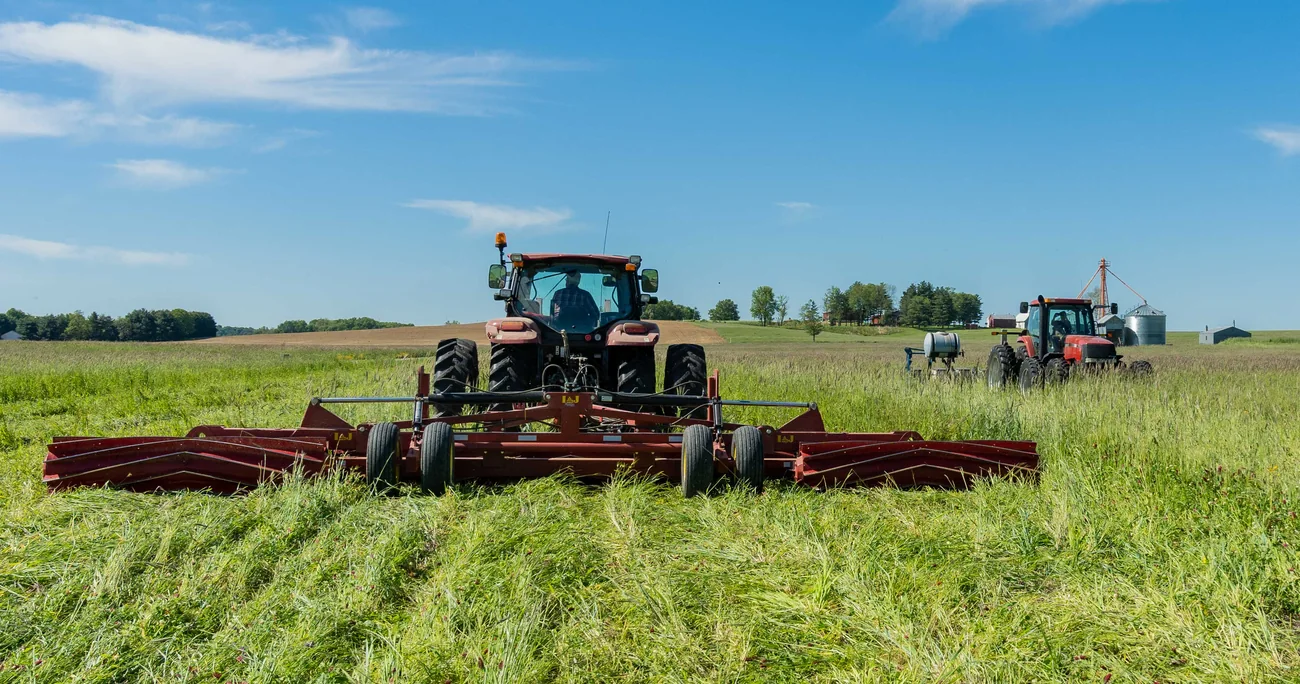
Lays a tall cover crop flat into a thick mat that holds moisture and smothers weeds. We drill into the standing cover first, then crimp right behind the drill.
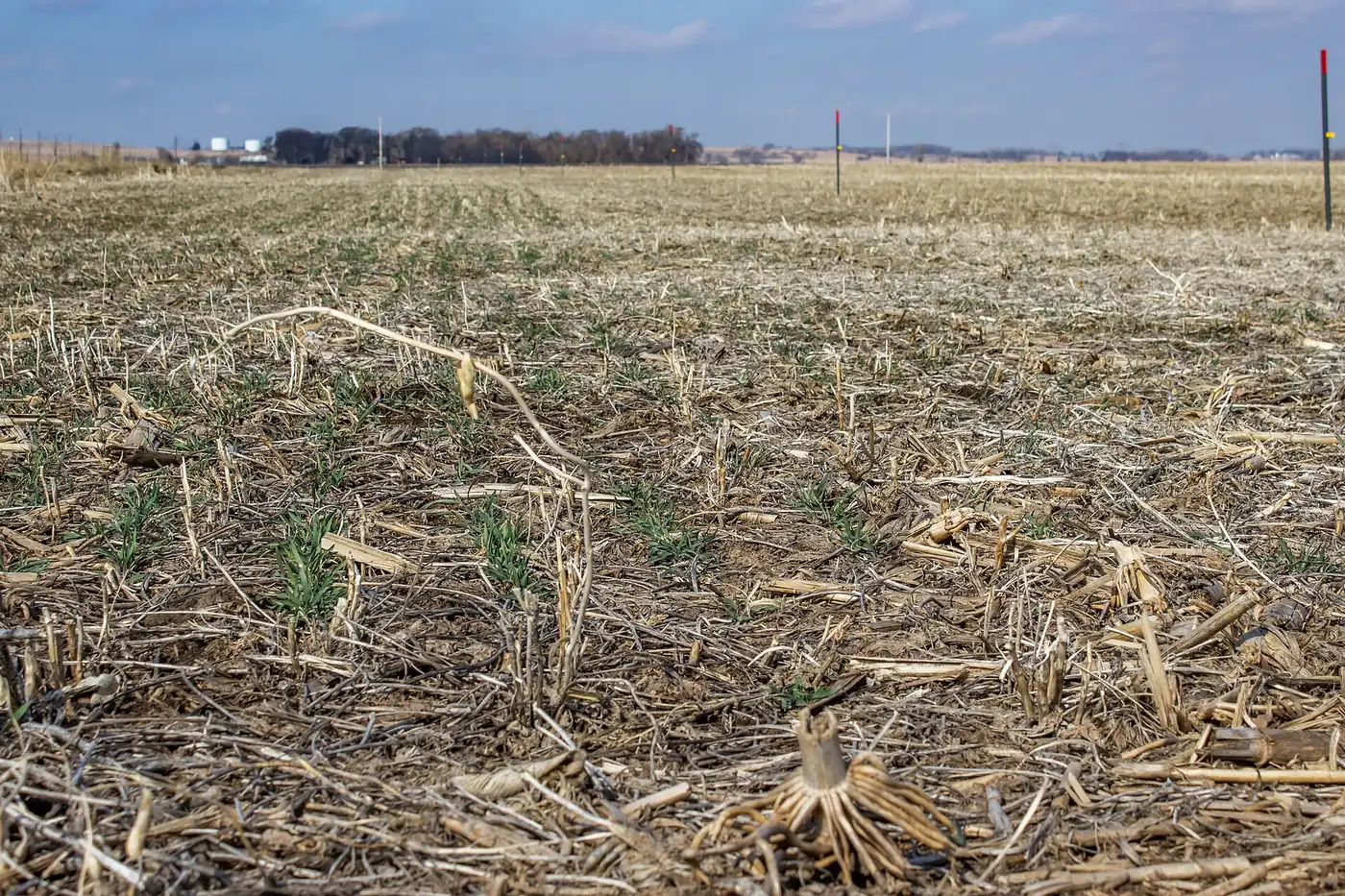
Broadcast seed into standing growth, then mow it down on top as mulch. Simple, low-equipment, and best timed just ahead of rain.
If you use herbicides to terminate growth, always read and follow the product label, including replant and rotation restrictions.
A good food plot starts with a plan: the right spot, a soil test, the right seed at the right time, and a layout that lets you hunt it without burning it out. This page walks through how we think about that on Central Wisconsin ground.
Not necessarily. Wisconsin Dirt plans and plants no-till food plots, which can be a better fit on sandy or already-covered ground when the timing and seed are right.
Use the free food plot planner, read the food plot guides, or book a phone or in-person consult.
Choose spots with enough sun and an access route you can use without spooking deer. Odd shapes, screening, and staging areas near cover help deer use plots in daylight.
Small plots can get eaten to the ground before fall. Exclusion cages and honest observation show whether you need more acres, tougher crops, or a different mix.
Thick cover is often the missing piece. Timber work, native grasses, shrubs, and screening plantings can create it.
Entry and exit routes for different winds, and areas you simply stay out of, matter as much as food.
On dry, sandy ground, a small water source near cover can be a draw. Check local and DNR rules before digging near wetlands or streams.
Prioritize what to do this year, next year, and later, so the work fits your budget and the time you actually have.
No one can honestly promise more or bigger deer. What a good plan does is give your property its best shot, year after year.
Consultation pricing: $300 for a phone consultation, or $1,500 for an in-person consultation on your property.
Habitat consulting is separate from real estate brokerage services.
Buying, selling, or improving ground in Wisconsin — start with a conversation.
One short email a week: new hunting access, leases, land for sale, and gear on the Wisconsin Dirt Land Board, plus a field note from Wisconsin Dirt TV. Free. Unsubscribe anytime.