Part of our Wisconsin Food Plots guide — dates, seed and soil by season.
Two smaller sandy plots in a dry year: how the summer mix mat looked, and why we sprayed, crimped, and drilled the fall mix into it.
We want to give you a close look at how the summer mix came in, and what we did with it next. This is the front half of a spray, crimp, and no-till season on a couple of smaller plots — the part where you find out whether the summer mix actually put down a mat you can work with.
The talking in the video wraps up before the two-minute mark. After that, it's just plot footage, so you can see the ground for yourself.
Two smaller plots on sandy ground
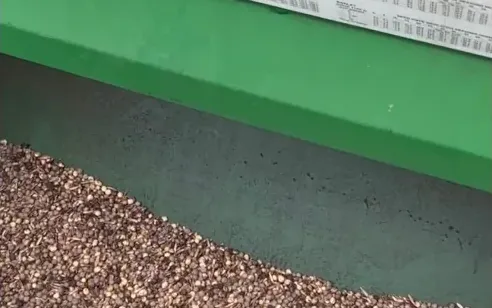
We've got two smaller plots — maybe an acre, two acres max — that we put the summer mix in and nothing else. We really were impressed with how well they grew, and with the mat they put down.
This used to be real sandy soil. Erosion has been a constant problem for us here. That's a big reason we cared so much about foliage and biomass. We wanted something on this ground that would hold it, not another year of soil moving when the rain hits.
If you've got light, sandy plots, you already know the feeling. Bare dirt doesn't stay put. A thick mat isn't just "pretty growth." It's cover. It shades the soil, it slows the wash, and it gives you something to drill into later instead of starting over on loose sand.
Fertilizer, potassium, and the screening mix
We used Antler Dirt fertilizer on this ground, and also added potassium. We are not going to invent a rate we didn't give in the video. The point is that we didn't just throw seed at tired sand and hope.
You can also see the screening we planted. That was a screening mix, and we were pretty happy with how it turned out. It was coming up pretty well, even with the lack of rain this year.
A dry year will tell you things a wet year hides. If a screening mix still comes on under those conditions, that's useful information. We like having screening around a plot because it gives deer a little more comfort using the edge — but we'll keep that general, because we didn't walk the exact layout in this clip.
Spray, crimp, and drill the fall mix
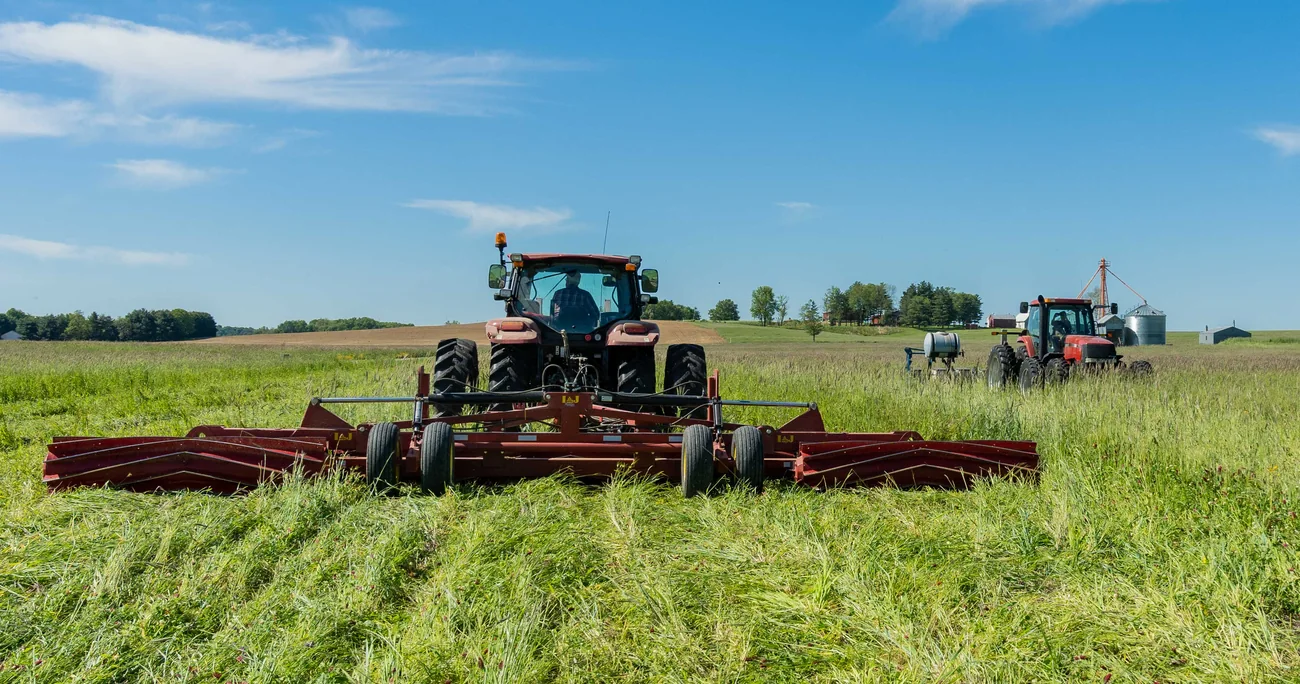
Once that summer growth was where we wanted it, here's what we did with the plot: we sprayed it, crimped it, and then we no-till drilled the fall mix. We added some extra winter peas, a little extra brassica, and some other good stuff in that pass.
The order was spray, then crimp, then drill: terminate the summer growth, lay that biomass down, and put the fall mix into the mat instead of tilling the plot up. If you hear it the other way around in the video, spray came first.
What the research says: spray, drill, then crimp
Since shooting this, we dug into the research on the order of operations. The order it points to is spray, drill, then crimp:
1. Spray the standing summer mix first, on a mild morning while it's actively growing. A roller alone won't kill this kind of blend. In University of Arkansas trials it killed only 40–60% of sorghum-sudan and 0–10% of cowpeas. Glyphosate-type burndowns work about as well before crimping as after (GROW, 2024). Spraying before you seed also means you never spray over fall seedlings, which can be up in 3–5 days in August. 2. Drill the fall mix into the cover while it's still standing, the same day or within about 3 days. UW–Madison's roller-crimper work plants into standing cover because the openers cut standing stems cleanly. Drilling through a fresh flat mat can tuck straw into the slot, so the seed ends up in straw instead of dirt. 3. Crimp right behind the drill, in the same direction. NRCS Wisconsin notes crimping can work after planting, and the mat lands right on top of the seed rows to hold moisture on the sand.
If the summer growth is too tall or tangled for your drill to get through standing, spray, crimp, then drill in the same direction you crimped. That's what we did here, and it still worked. Either way, follow every herbicide label, including the replant interval.
We added the extra winter peas and brassicas because we wanted a little more of that in the fall stand. We didn't give a seeding rate in the video, so we won't make one up here. If you're mixing a fall blend of your own, the useful habit is to know what you already have in the bag, then decide whether you actually need more of a certain seed — not to dump extra in just because it's on the shelf.
This was also still early in the process. The summer mix had already shown us a nice mat. The fall mix had just been drilled. We told people we'd keep them updated as the plot progressed, because that next stage is its own story.
Stay out of the plot once it's in
One more thing we want to be deliberate about: we kind of want to stay out of here. We don't want to be in the plot all the time, kicking deer out of it.
That's easy to forget when you're proud of a new stand and you want to walk it every evening. Every trip in is a trip the deer have to deal with. If the point of the plot is to hold deer and let them use it, the work is done at planting. After that, the best thing you can often do is leave it alone.
Questions we can help with
We didn't walk through drill calibration, specific seed lots, or inoculants in this video. We are happy to talk through the process — how we calibrated things, the seeds we use, and the inoculants. If you're stuck on any of that, ask. We'd rather answer a direct question than pretend the clip covered numbers it didn't.
Takeaway
Here's the short list from this plot:
- Two smaller plots, maybe an acre, two acres max, went to the summer mix and nothing else.
- The mix grew well and put down a nice mat, with a lot of foliage and biomass.
- This used to be real sandy soil, and erosion has been a constant problem, so that mat matters.
- We used Antler Dirt fertilizer and added potassium.
- A screening mix came up pretty well, even in a dry year.
- We sprayed the plot, crimped it, and no-till drilled the fall mix, with some extra winter peas and a little extra brassica.
- The research points to spraying, drilling into the standing cover, then crimping behind the drill, so the seed gets into dirt instead of a flat straw mat.
- Once the fall seed is in, stay out of the plot so you aren't kicking deer out of it.
- If you have questions on calibration, seed, or inoculants, ask — don't guess your way through a pass.
If you've got questions about what we're doing in these plots, or you want to compare notes on your own ground, join the Wisconsin Dirt Facebook group and jump in the conversation.
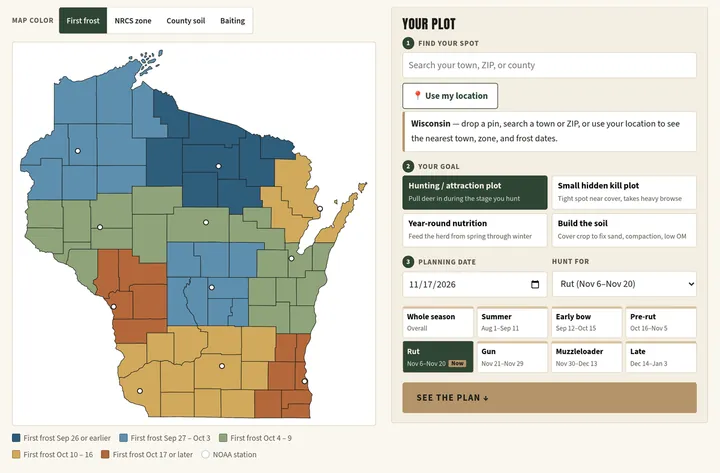
Thinking about a summer-to-fall no-till rotation of your own? Sketch it out with the free Wisconsin Food Plot Planner: site, soil, seed, and timing on one printable page.
General educational information only, not professional, legal, or engineering advice for a specific property. Always follow product labels and check current county and state requirements.